GIS/WIS – Gone In Seconds
GIS/WIS (Gone In Seconds / Weg In Seconden) is an ongoing art project that reflects on what disappears and what lingers in our world shaped by consumption, matter, and data. The project collects fleeting moments – residues of paint, coffee stains, stacks of shopping baskets, digital codes – and transforms them into visual archives of contemporary life.
The title Gone In Seconds refers both to the accelerating pace at which images, impressions, and materials vanish, and to the urgency of ecological, economic, and digital systems that define our existence.
Prologue — In the Beginning (Before the Archive)
This is not a chapter, but an origin.
This is not a chapter, but an origin.
Conceptual position
• before systems
• before themes
• before categories
Content
• the first act: looking and preserving
• time before meaning
• attention as necessity
• the awareness that everything disappears
• before systems
• before themes
• before categories
Content
• the first act: looking and preserving
• time before meaning
• attention as necessity
• the awareness that everything disappears
Function
: This section legitimises everything that follows.
Here, GIS/WIS does not emerge as a project, but as a stance.
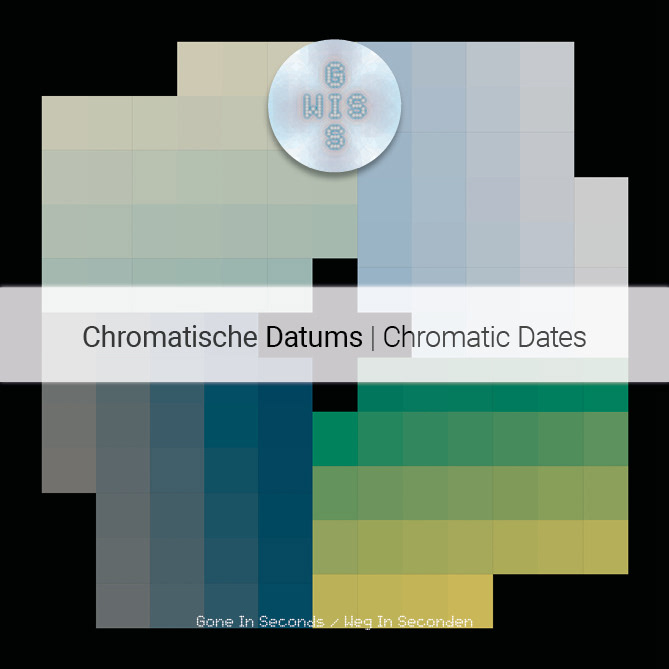
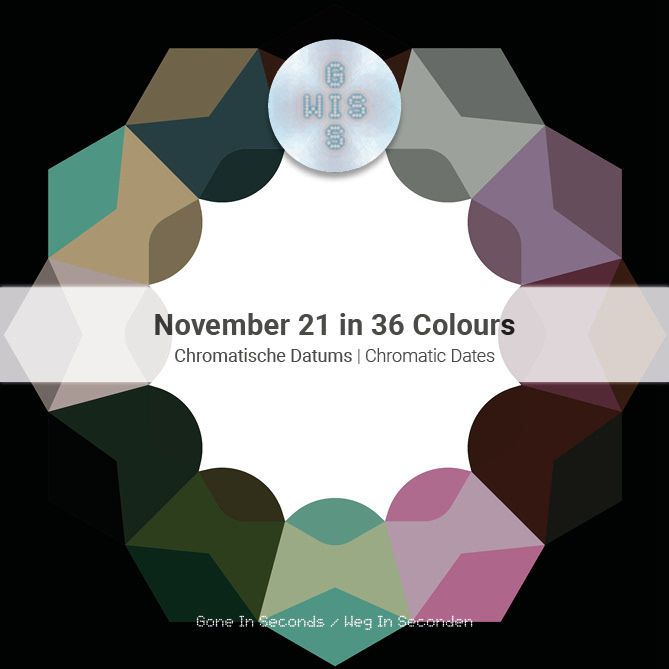
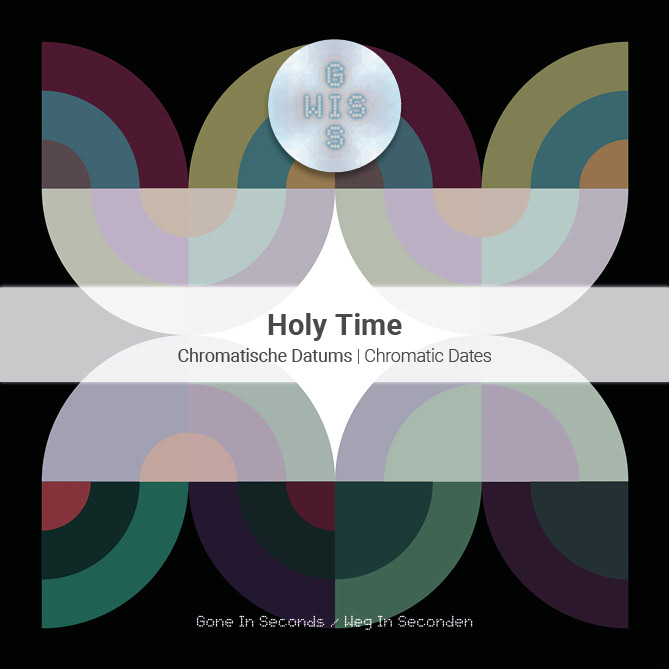
Chapter 1 — Chromatic Dates
Core question: Colour as a structure of time
Core question: Colour as a structure of time
Projects
• 1965–2035–2061 (my birth, my first goal, my ambition)
• Canon of the Netherlands in 24 moments
• WW1 & WW2 in 2 × 12 moments
• Projected future dates (1984, 2001: A Space Odyssey, etc.)
• Sacred Time — Rhythm of Belief (in 24 dates)
• 1965–2035–2061 (my birth, my first goal, my ambition)
• Canon of the Netherlands in 24 moments
• WW1 & WW2 in 2 × 12 moments
• Projected future dates (1984, 2001: A Space Odyssey, etc.)
• Sacred Time — Rhythm of Belief (in 24 dates)
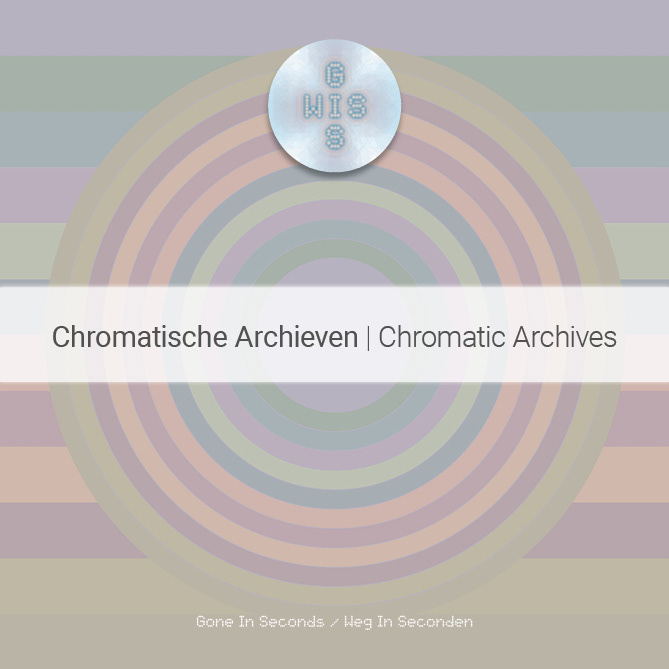
Chapter 2 — Chromatic Archives
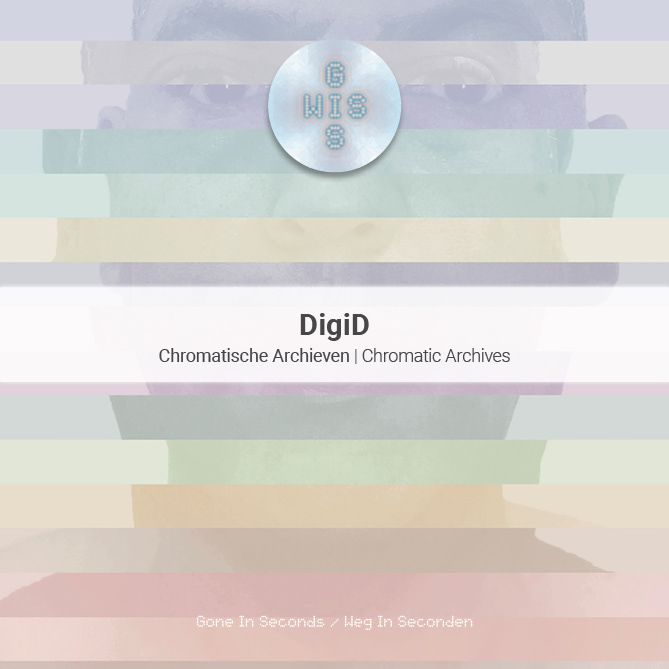
Core question: How do abstract systems become visible through colour?
Core question: How do abstract systems become visible through colour?
Projects
• DigiD
• RGB–DNA
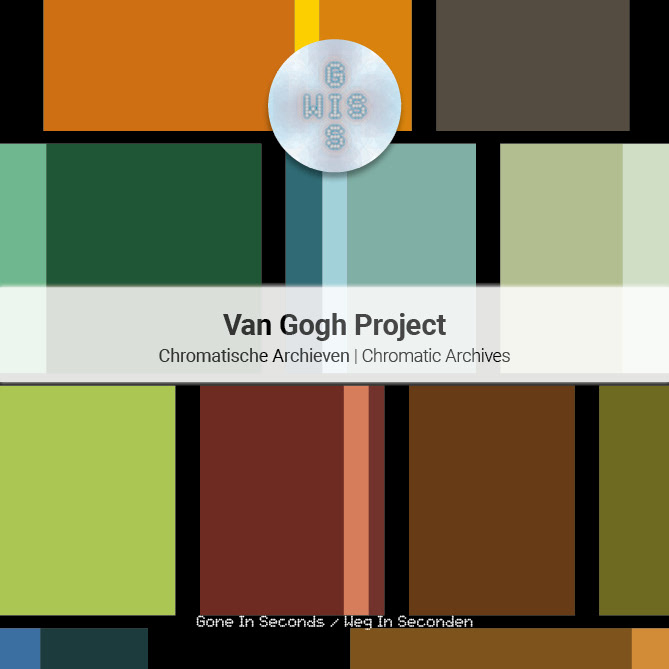
• Van Gogh (digital remnants / delayed images)
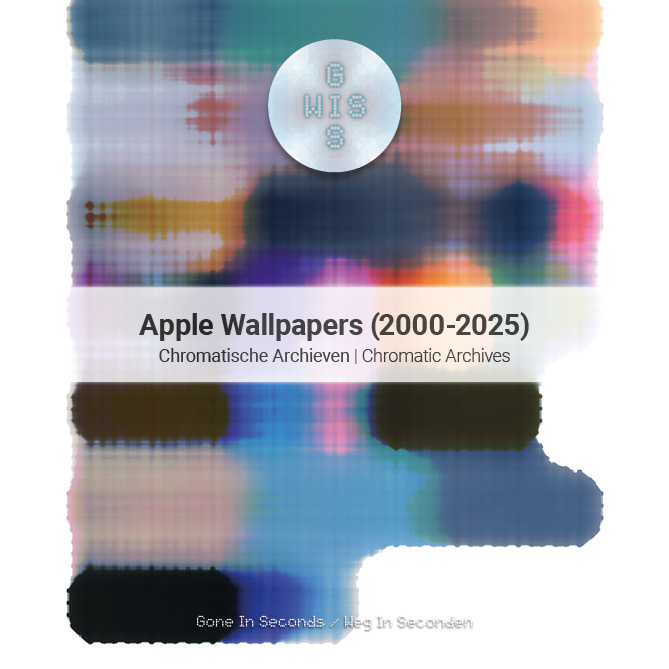
• Apple Wallpapers
• HEX–RGB Twins
Themes
• colour as code
• colour as interface
• colour as system error
• colour as carrier of informationFunction within the concept : This chapter introduces GIS/WIS as a systemic way of seeing.
• DigiD
• RGB–DNA
• Van Gogh (digital remnants / delayed images)
• Apple Wallpapers
• HEX–RGB Twins
Themes
• colour as code
• colour as interface
• colour as system error
• colour as carrier of informationFunction within the concept : This chapter introduces GIS/WIS as a systemic way of seeing.
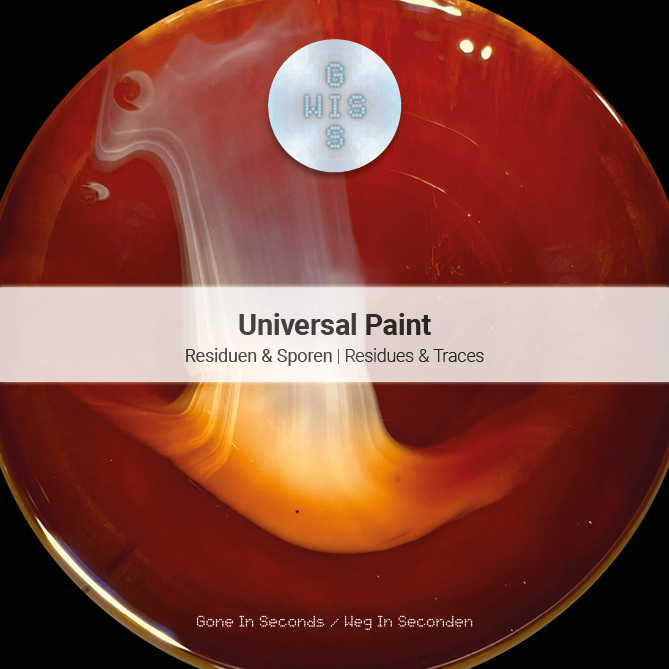
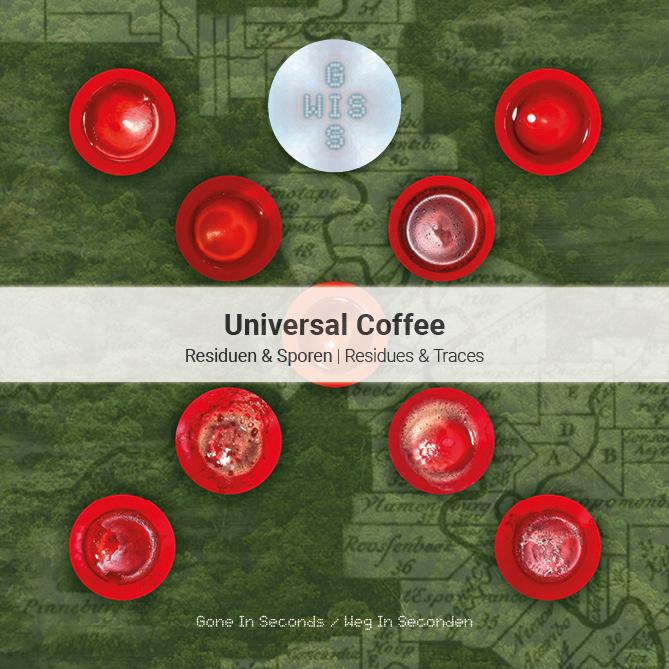
Chapter 3 — Residual Archives
Core question: What remains when function and use disappear?
Core question: What remains when function and use disappear?
Projects
• Universal Paint
• Universal P(AI)NT
• Universal Coffee
• Minimalistic Family DNA
• In Between Walls
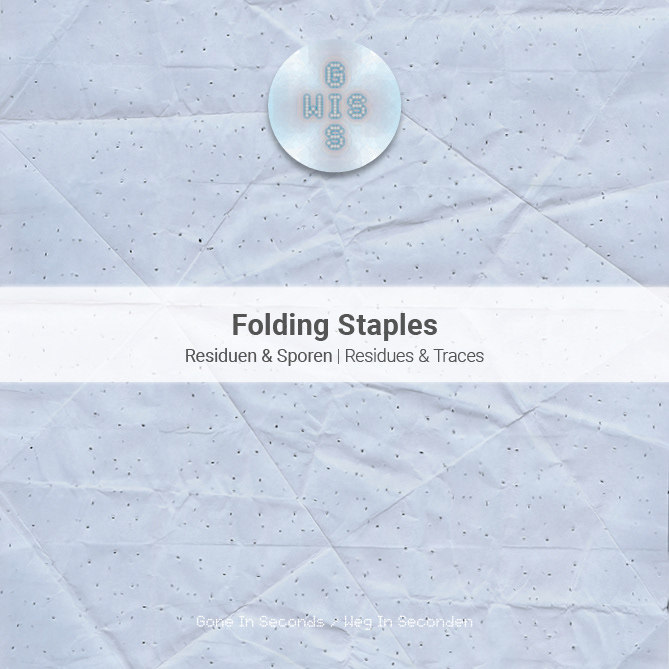
• Folding Staples
Themes
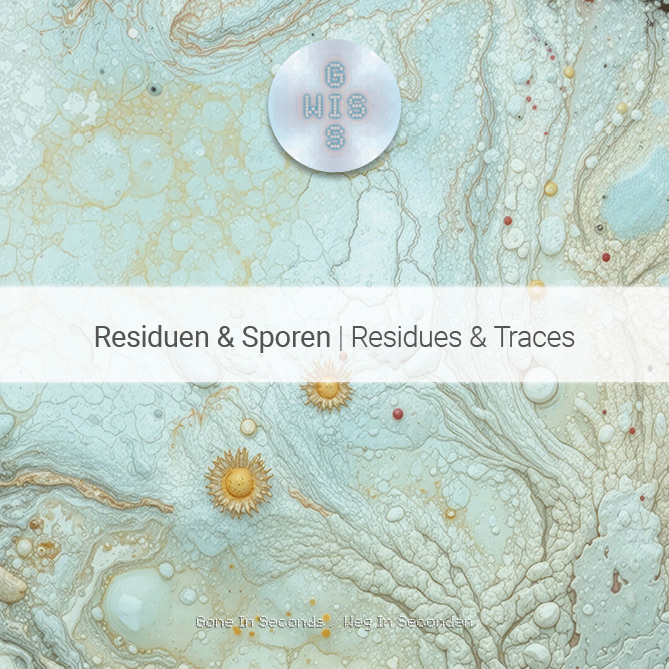
• residue
• material traces
• ritual and use
• AI as a second layer on top of decay
• Universal Paint
• Universal P(AI)NT
• Universal Coffee
• Minimalistic Family DNA
• In Between Walls
• Folding Staples
Themes
• residue
• material traces
• ritual and use
• AI as a second layer on top of decay
Function within the concept: Here, GIS/WIS shifts from system → matter.
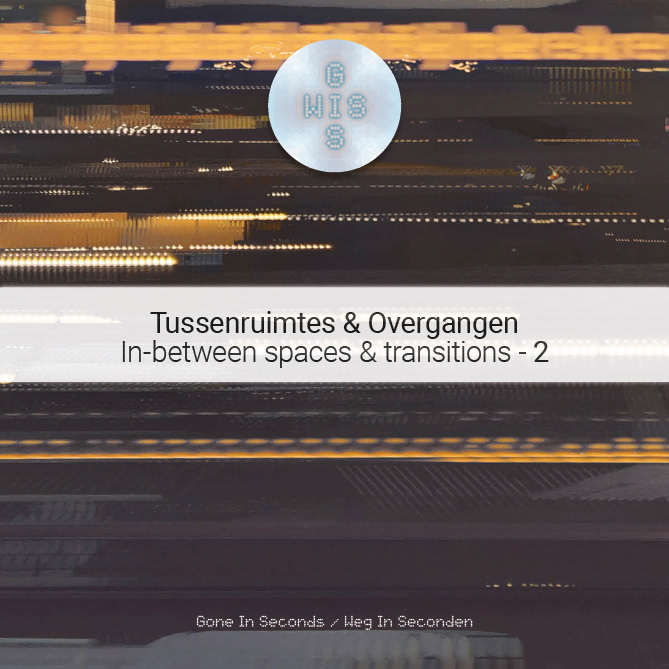
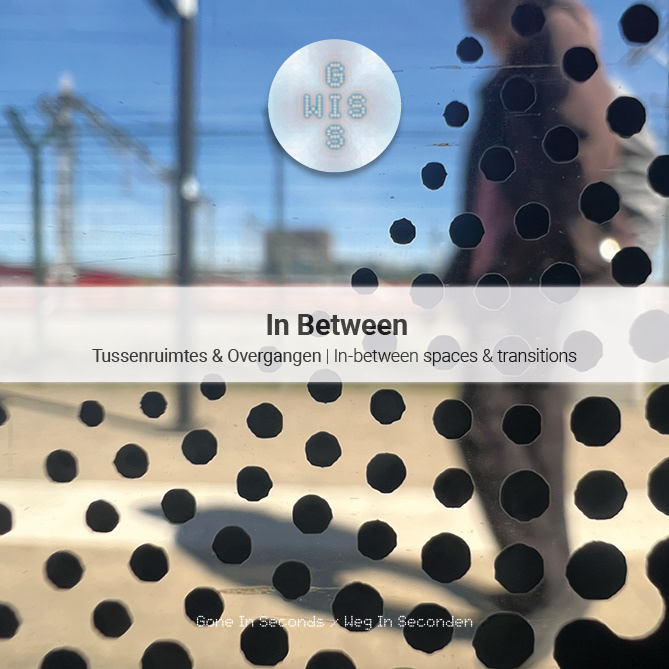
Chapter 4 — In-Between Space & Movement
Core question: How does perception change through transition and speed?
Core question: How does perception change through transition and speed?
Projects
• In Between (train)
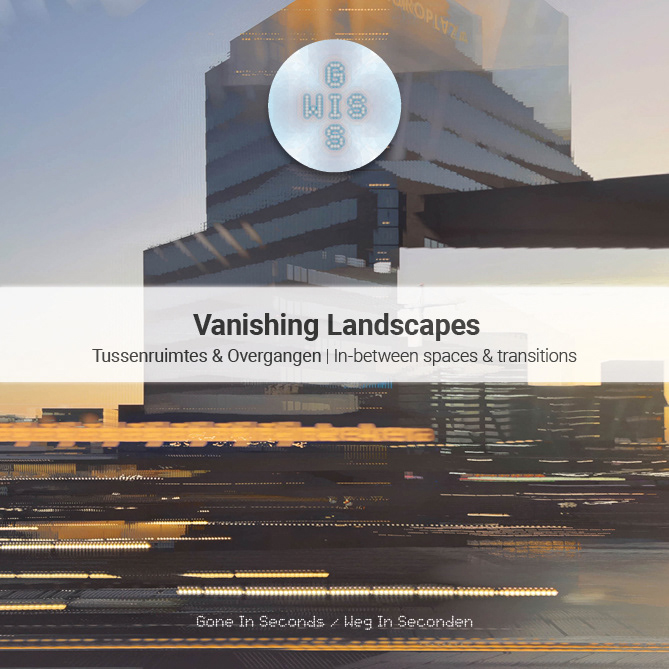
• Vanishing Landscapes
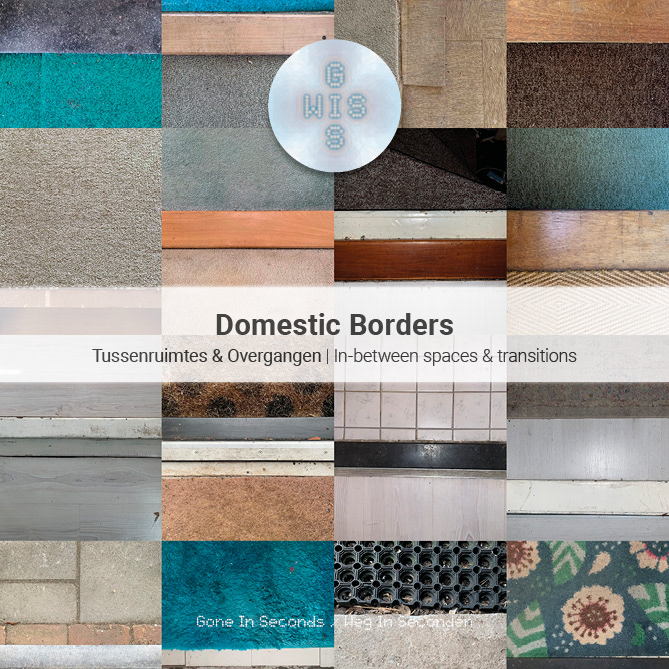
• Domestic Borders
Themes
• travel
• deceleration and acceleration
• thresholds
• the temporary landscape
• In Between (train)
• Vanishing Landscapes
• Domestic Borders
Themes
• travel
• deceleration and acceleration
• thresholds
• the temporary landscape
Function within the concept: This is the chapter of experience and bodily position.
Chapter 5 — Consumption & Excess
Core question When does repetition become a system that feeds itself?
Core question When does repetition become a system that feeds itself?
Projects
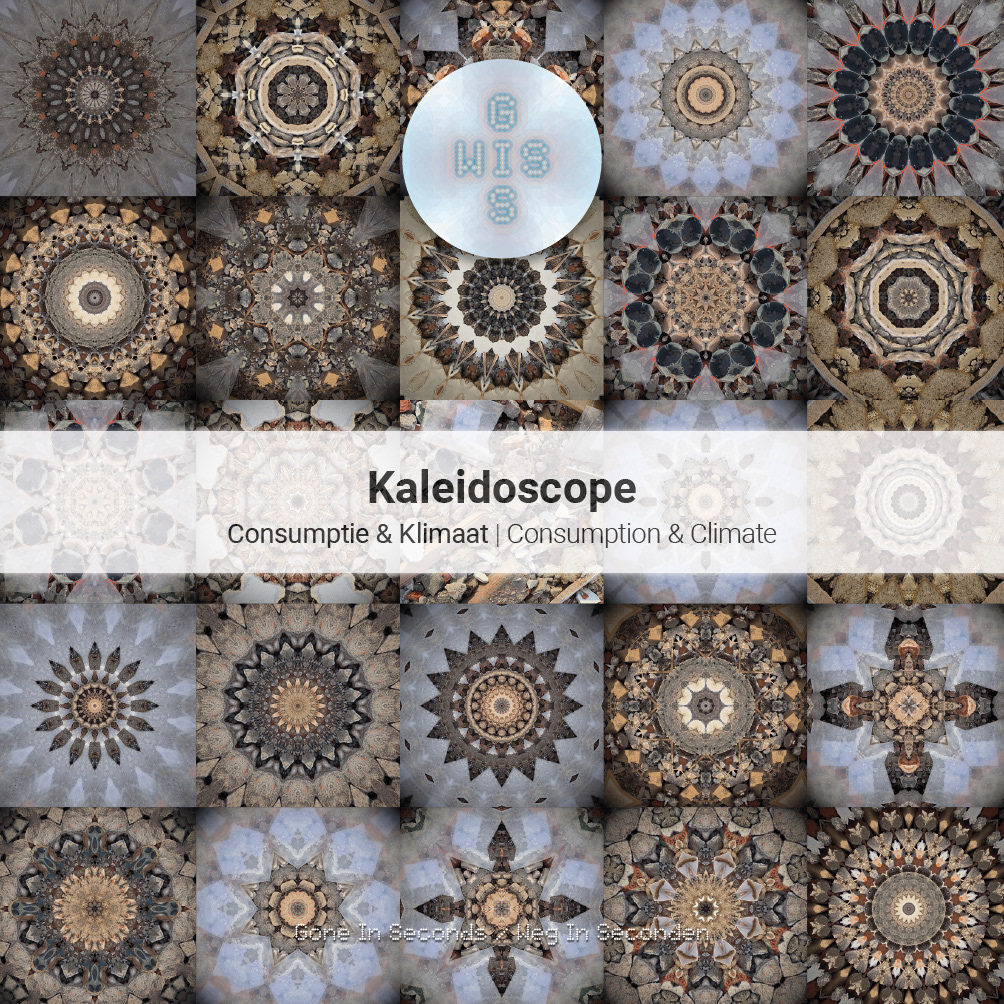
• Caleidoscope
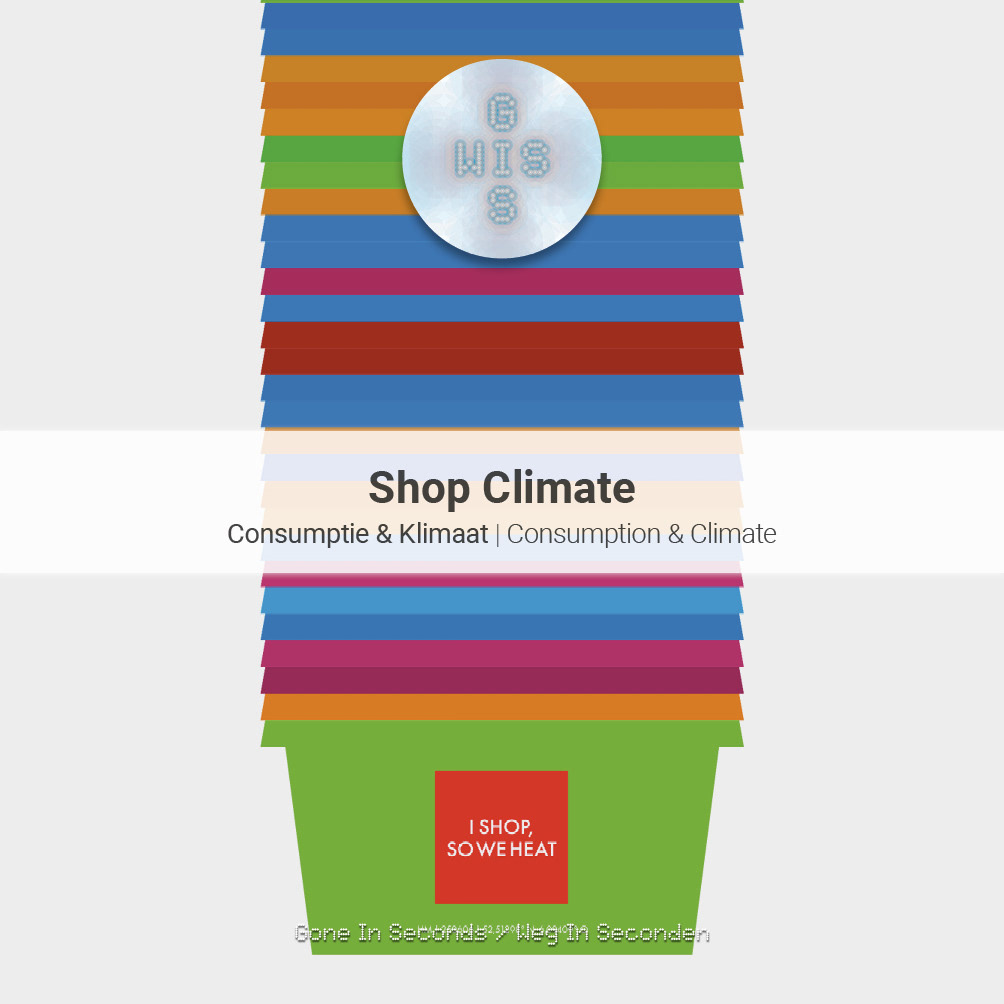
• Shop Climate
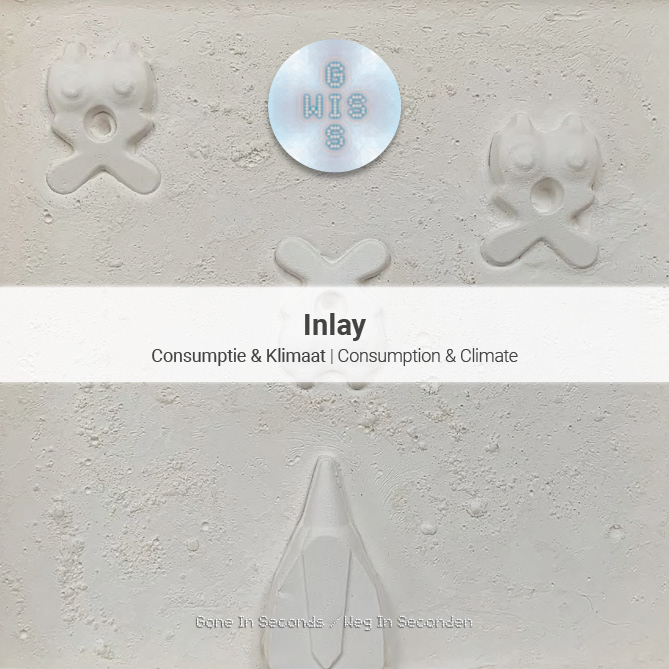
• INLAY
Themes
• repetition
• overproduction
• aestheticisation of waste
• physical consequences of consumption
• Caleidoscope
• Shop Climate
• INLAY
Themes
• repetition
• overproduction
• aestheticisation of waste
• physical consequences of consumption
Internal layering
• Caleidoscope → aesthetics of excess
• Shop Climate → ethics and rhythm
• INLAY → irreversible intervention in matter
• Caleidoscope → aesthetics of excess
• Shop Climate → ethics and rhythm
• INLAY → irreversible intervention in matter
Function within the concept: This chapter confronts without moralising.
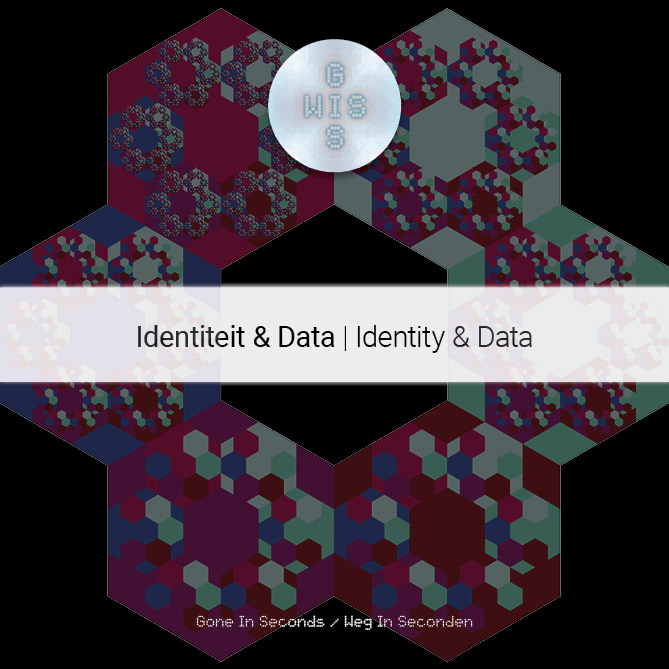
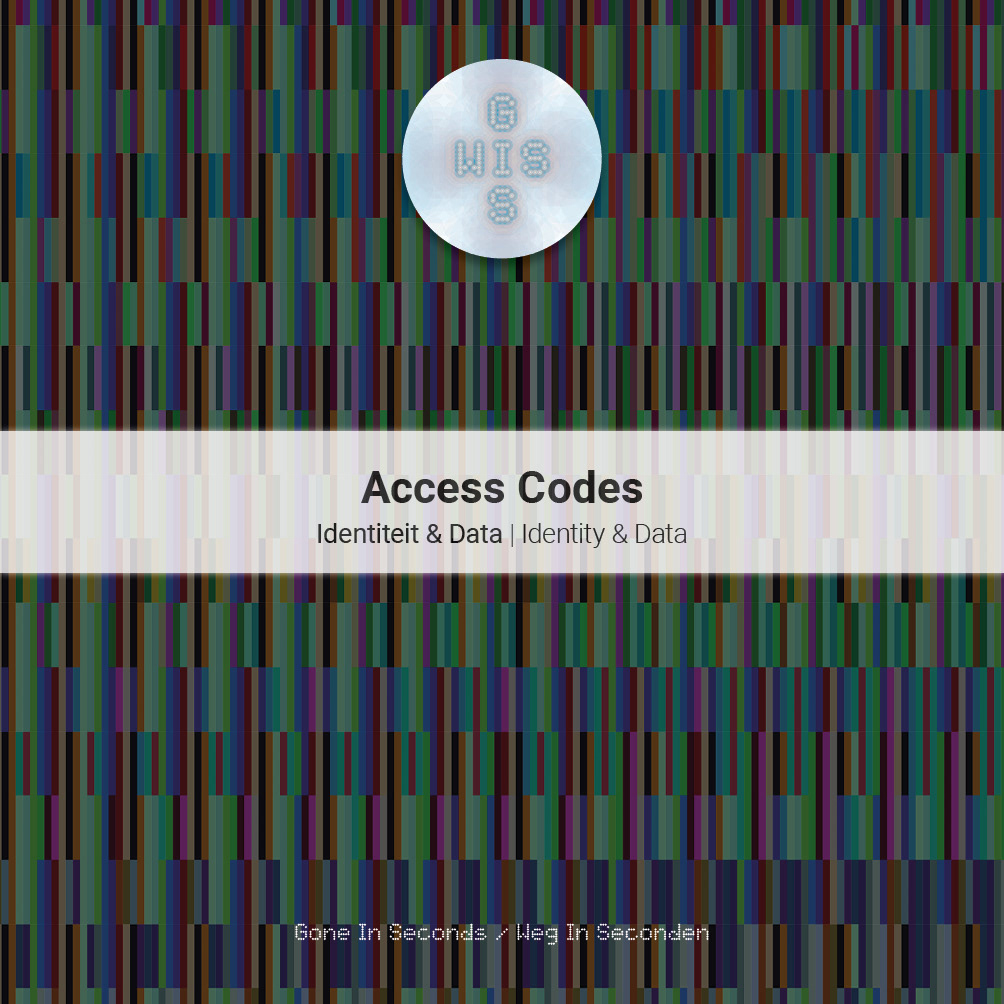
Chapter 6 — Identity & Data
Core question What happens to identity when it becomes entirely system?
Core question What happens to identity when it becomes entirely system?
Projects
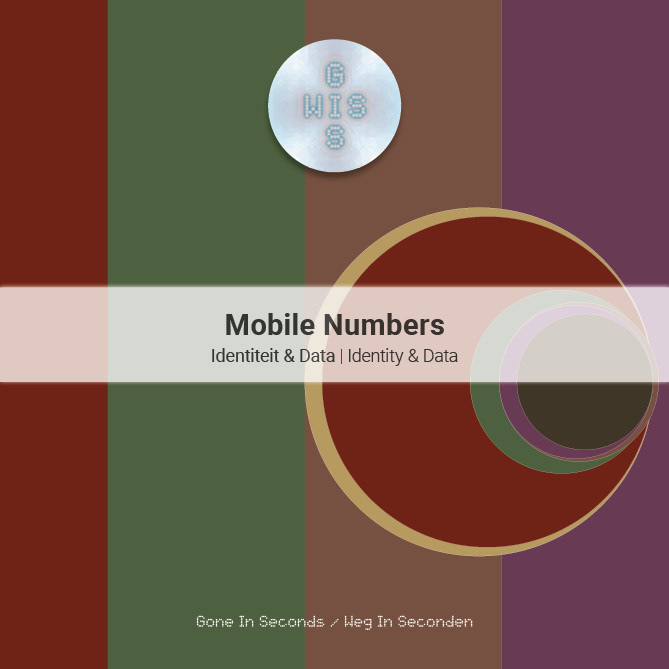
• Mobile codes
• Google Authenticator
• Microsoft Authenticator
• Mondial Relay codes
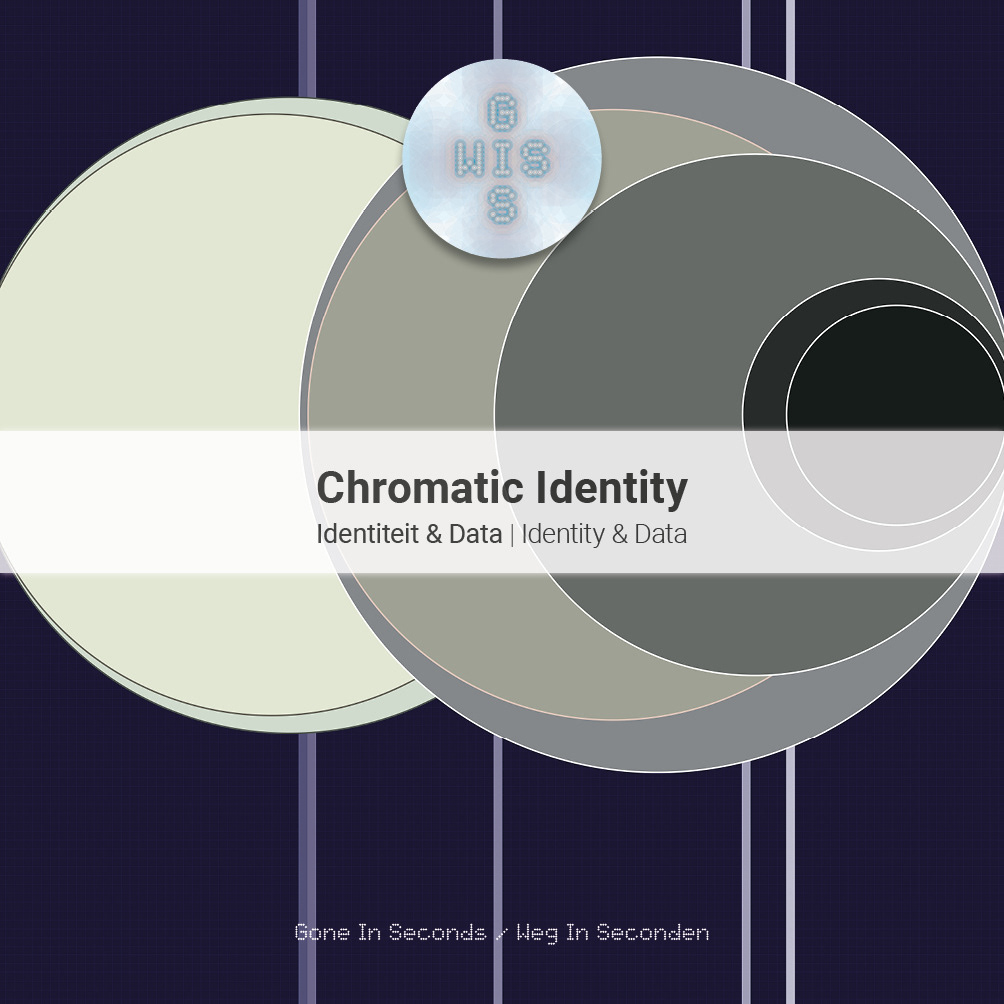
• Chromatic Identity
• birth dates
• family
• systems
Themes
• access
• control
• fragmentation
• kinship
• Mobile codes
• Google Authenticator
• Microsoft Authenticator
• Mondial Relay codes
• Chromatic Identity
• birth dates
• family
• systems
Themes
• access
• control
• fragmentation
• kinship
Function within the concept: This chapter returns the system to the human —
without sentiment, without psychology.
Epilogue — Open Structure
No conclusion.
No conclusion.
Content
• GIS/WIS is not finished
• this concept for a book is a snapshot
• future thematic books are expansions, not repetitions
• GIS/WIS is not finished
• this concept for a book is a snapshot
• future thematic books are expansions, not repetitions
Function:
The concept does not close, but remains open.