(NL) D-Day onderzoekt tijd, herinnering en historische projectie. Het werk hoort bij de serie WW1 & WW2 in 2 × 12 momenten, waarin breukmomenten van de twintigste eeuw tot een chromatisch systeem worden herordend. Een datum is hier geen positie in een jaarwiel, maar een breuk in een gedeeld geheugen.
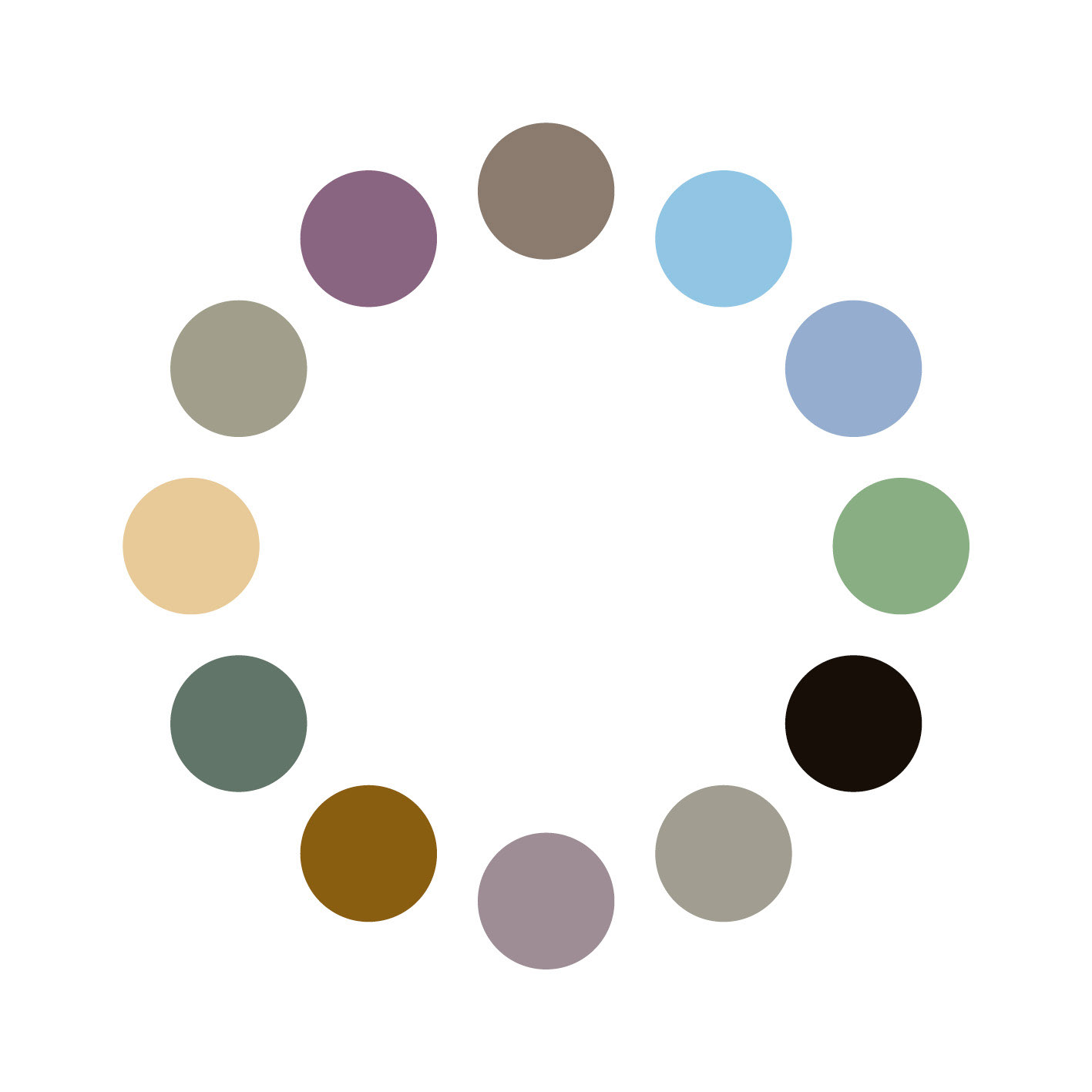
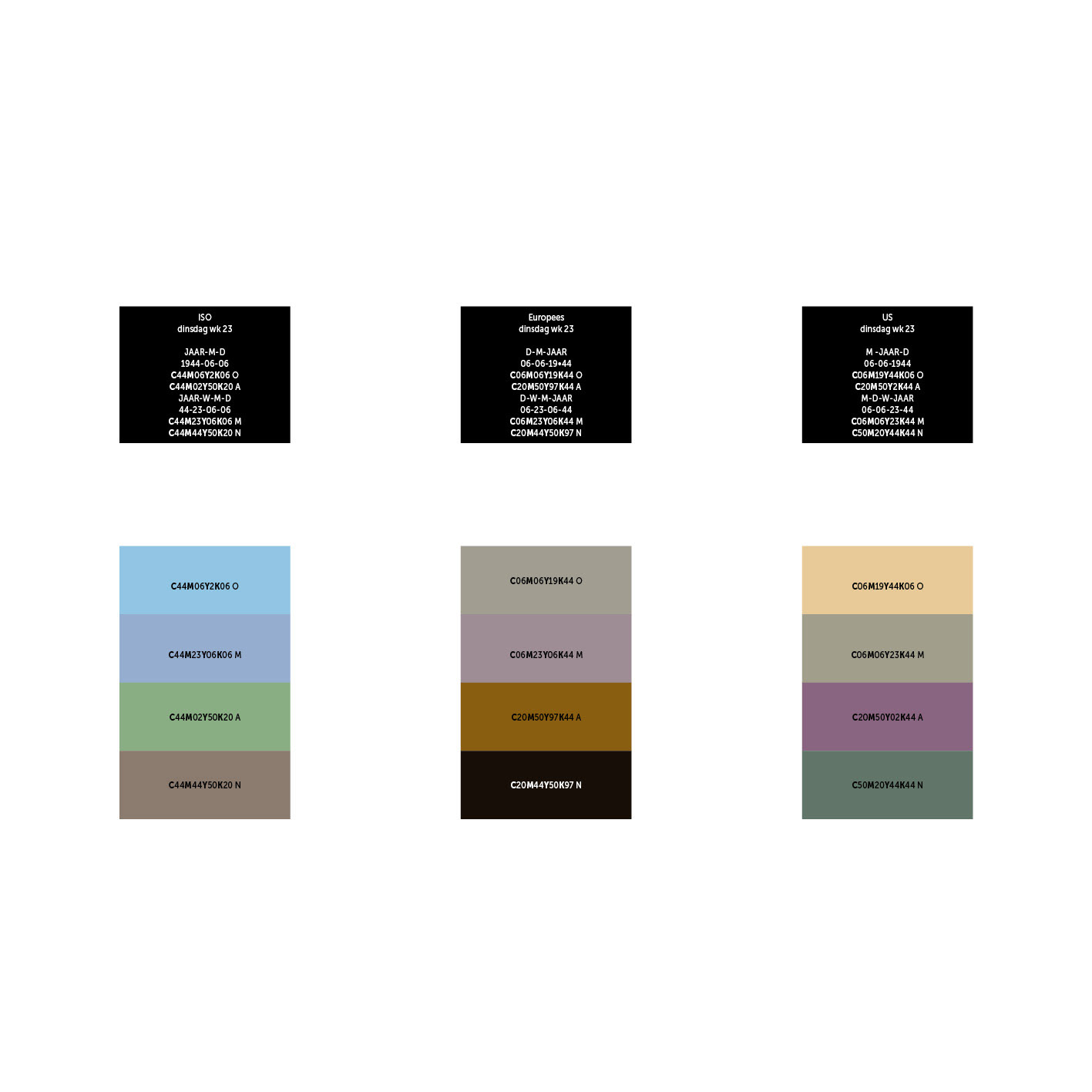
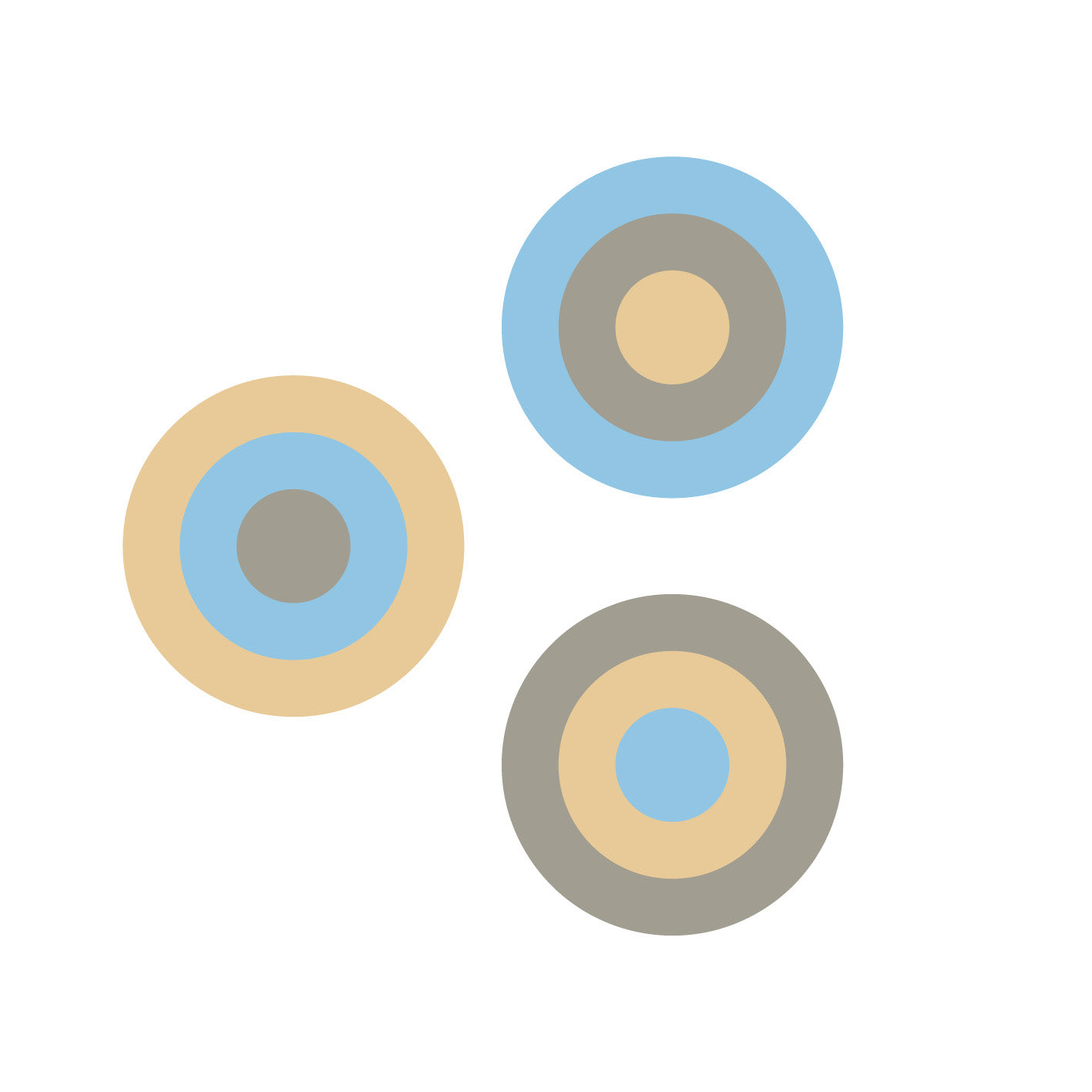
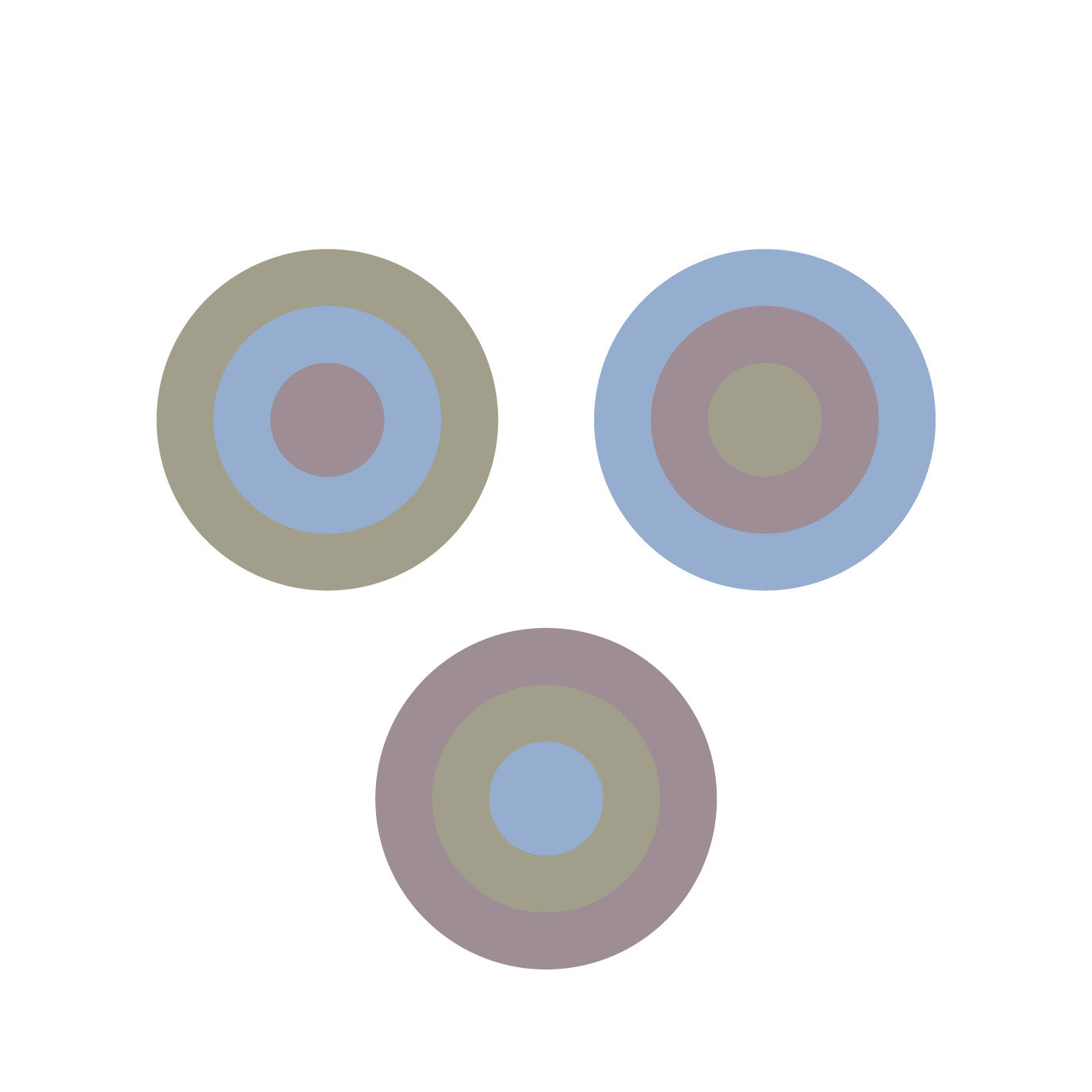
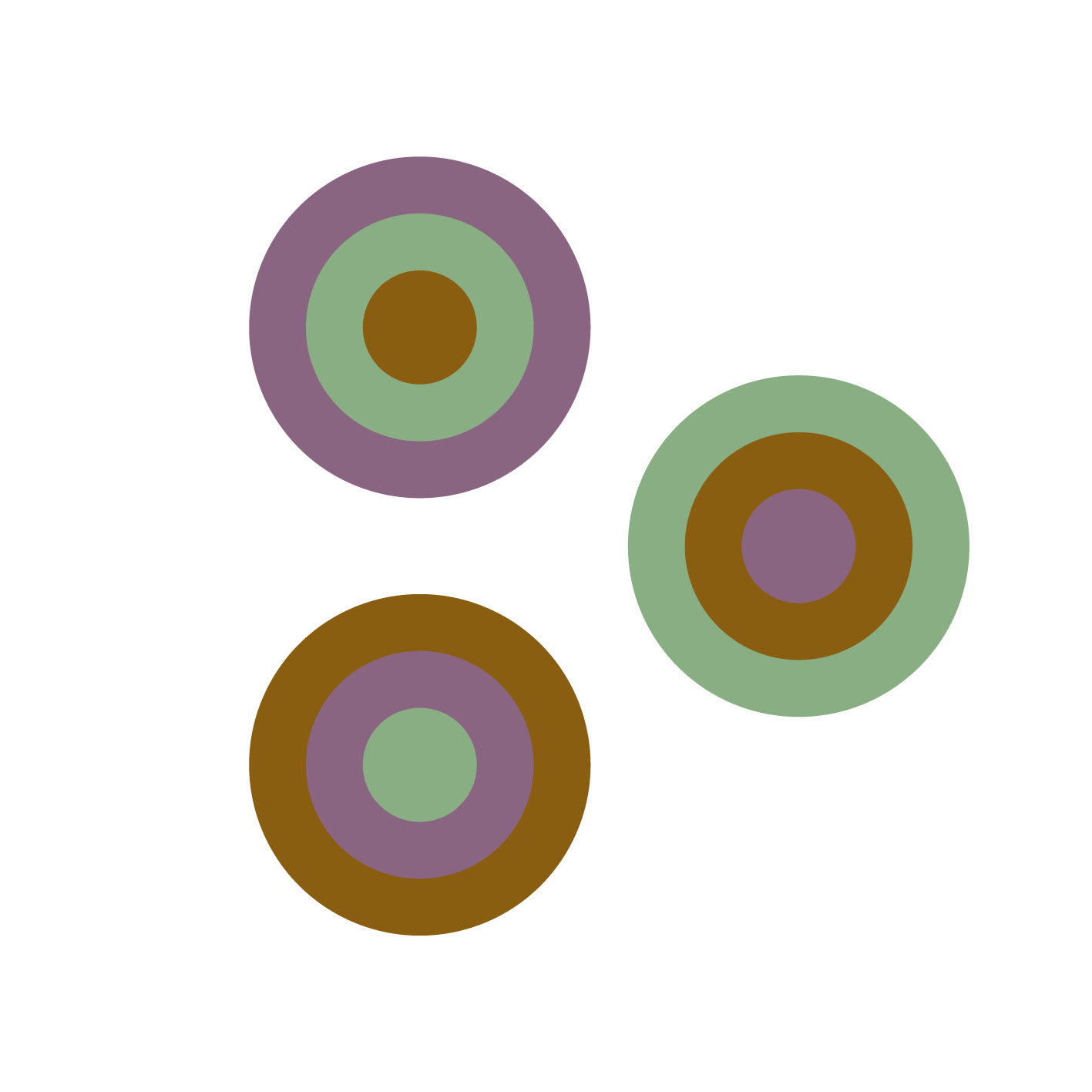
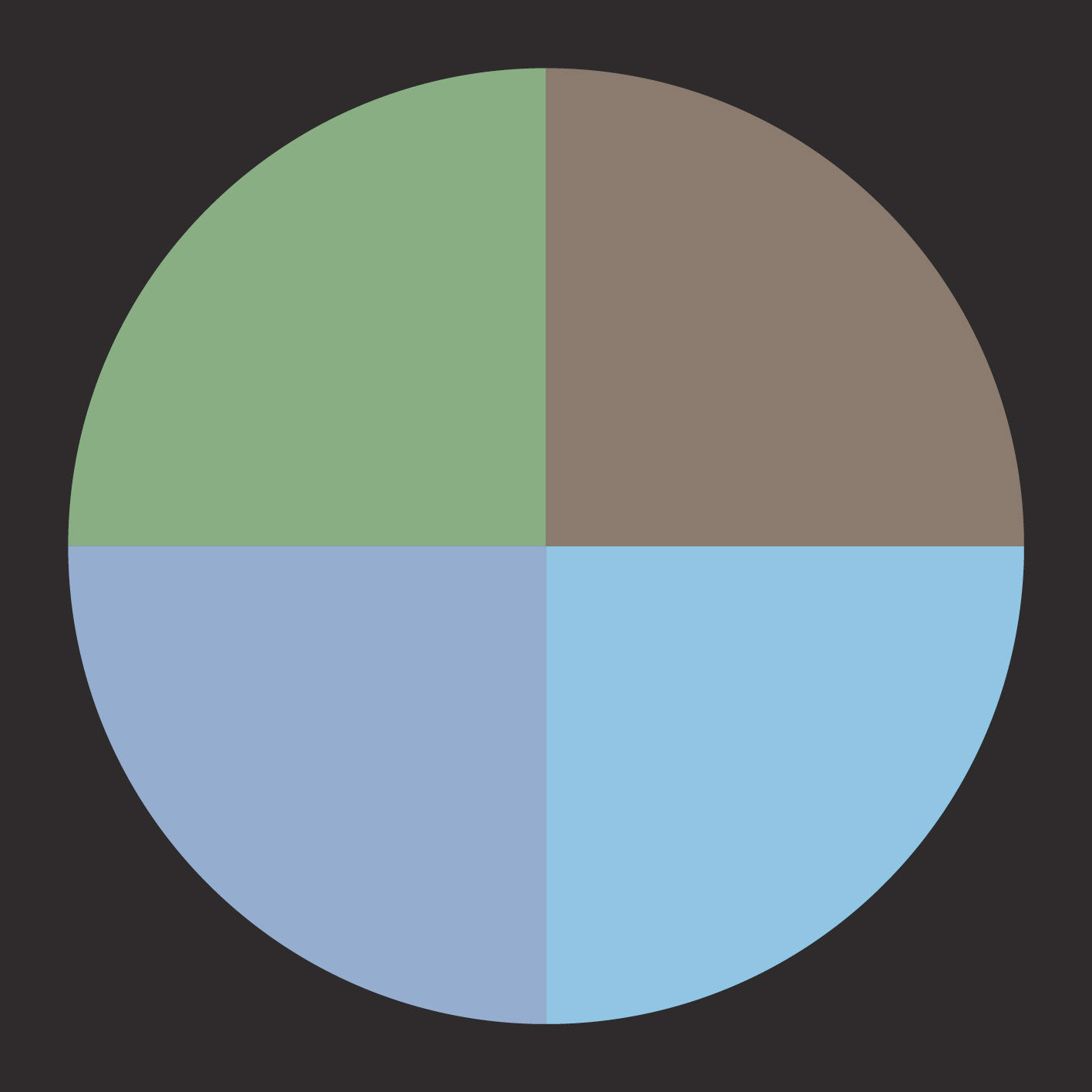
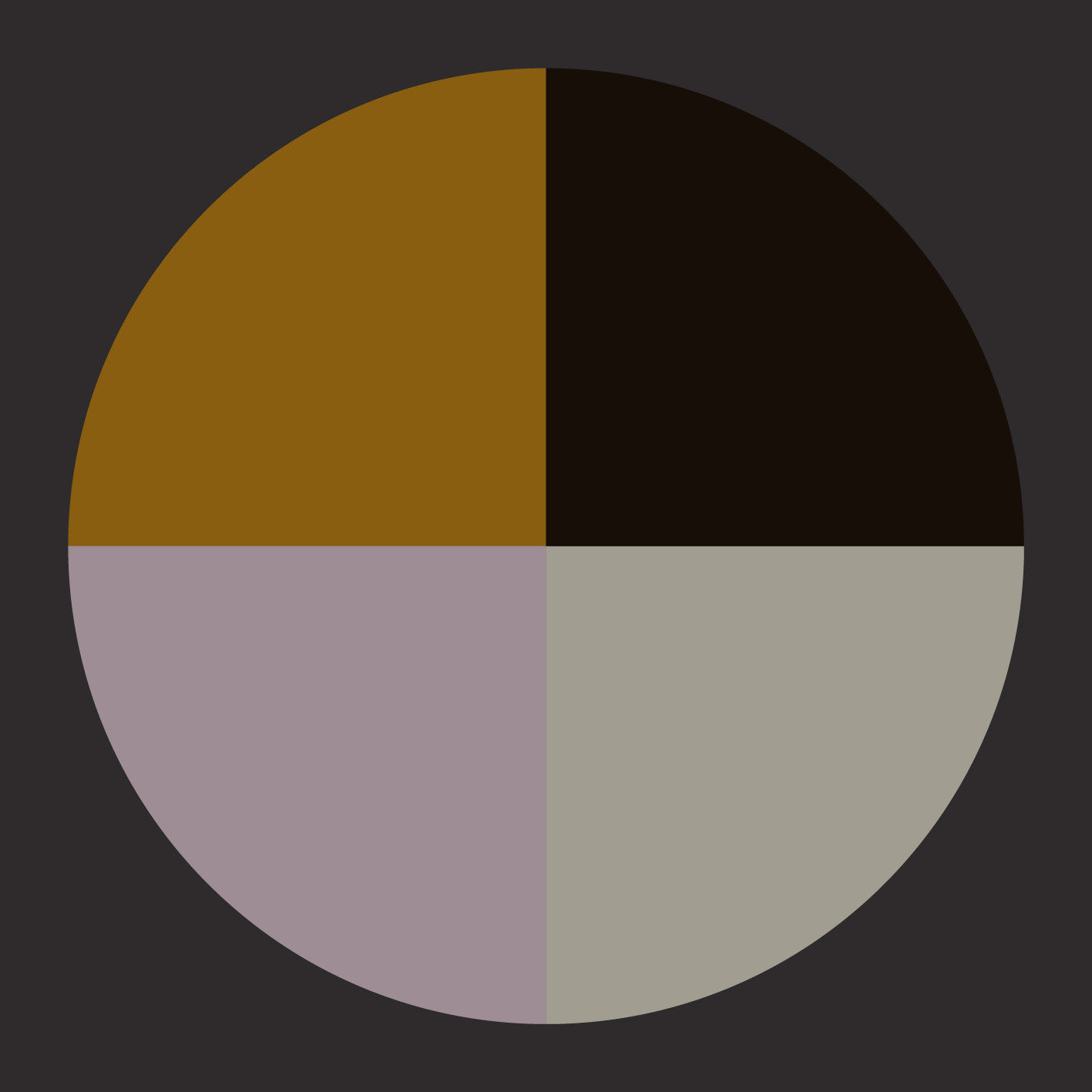
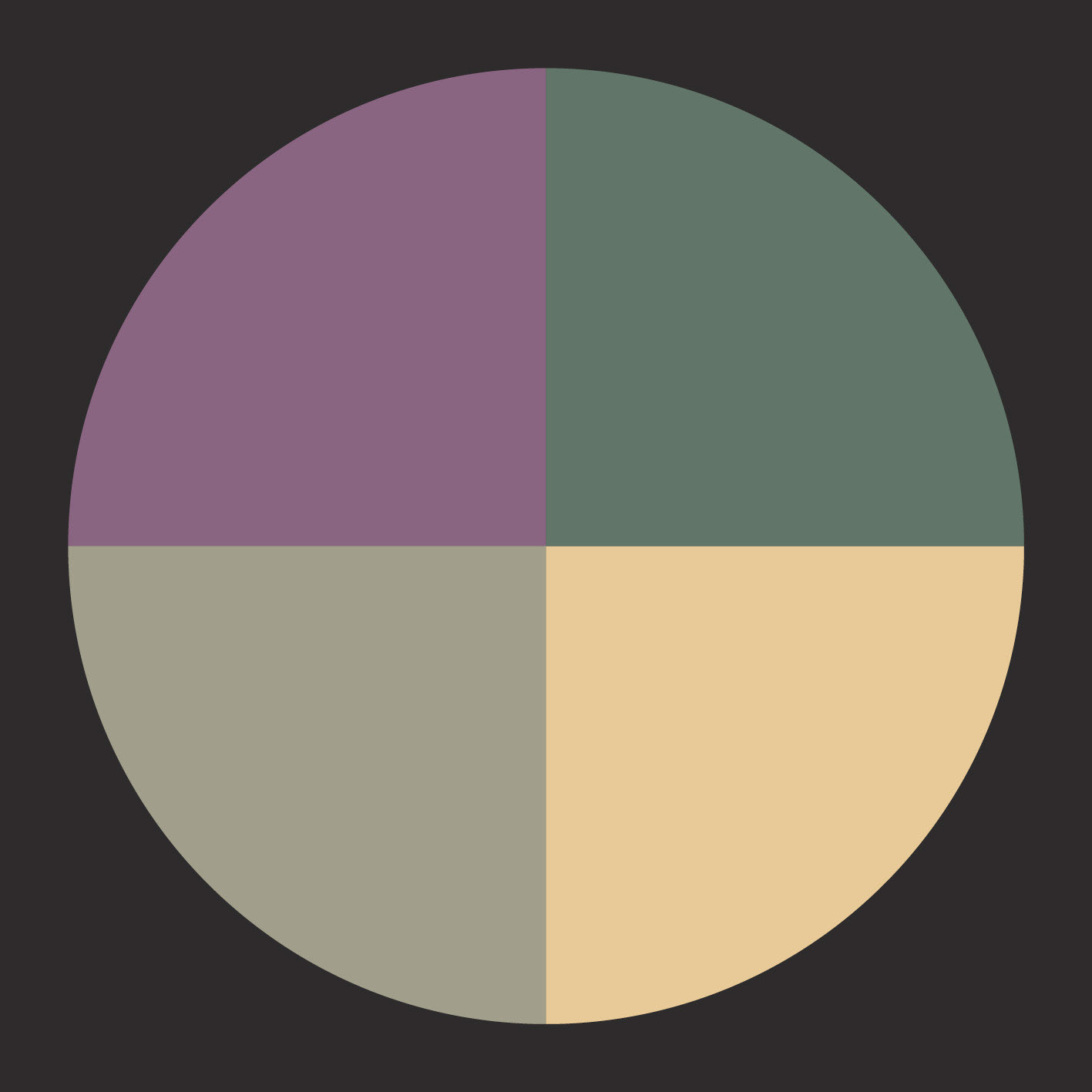
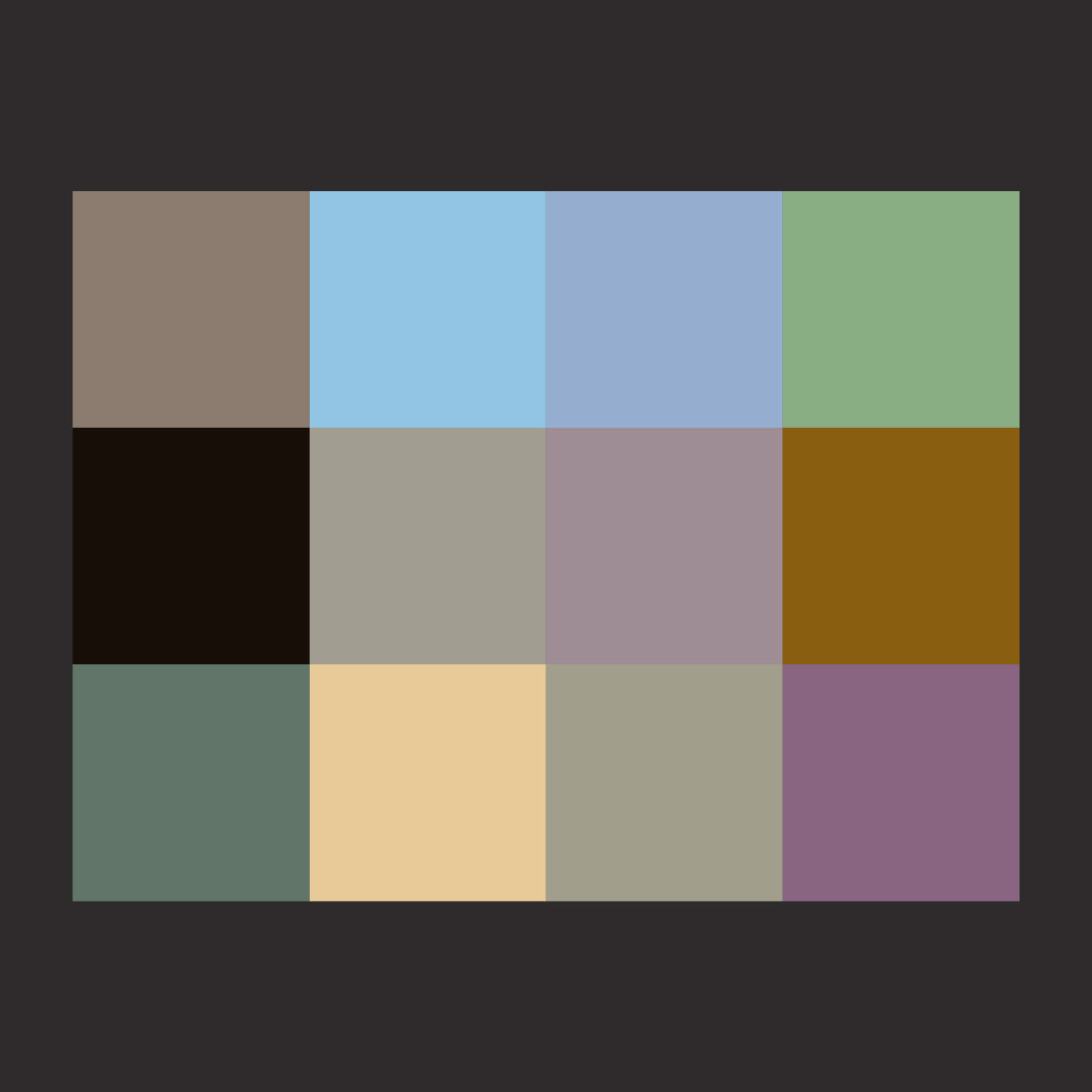
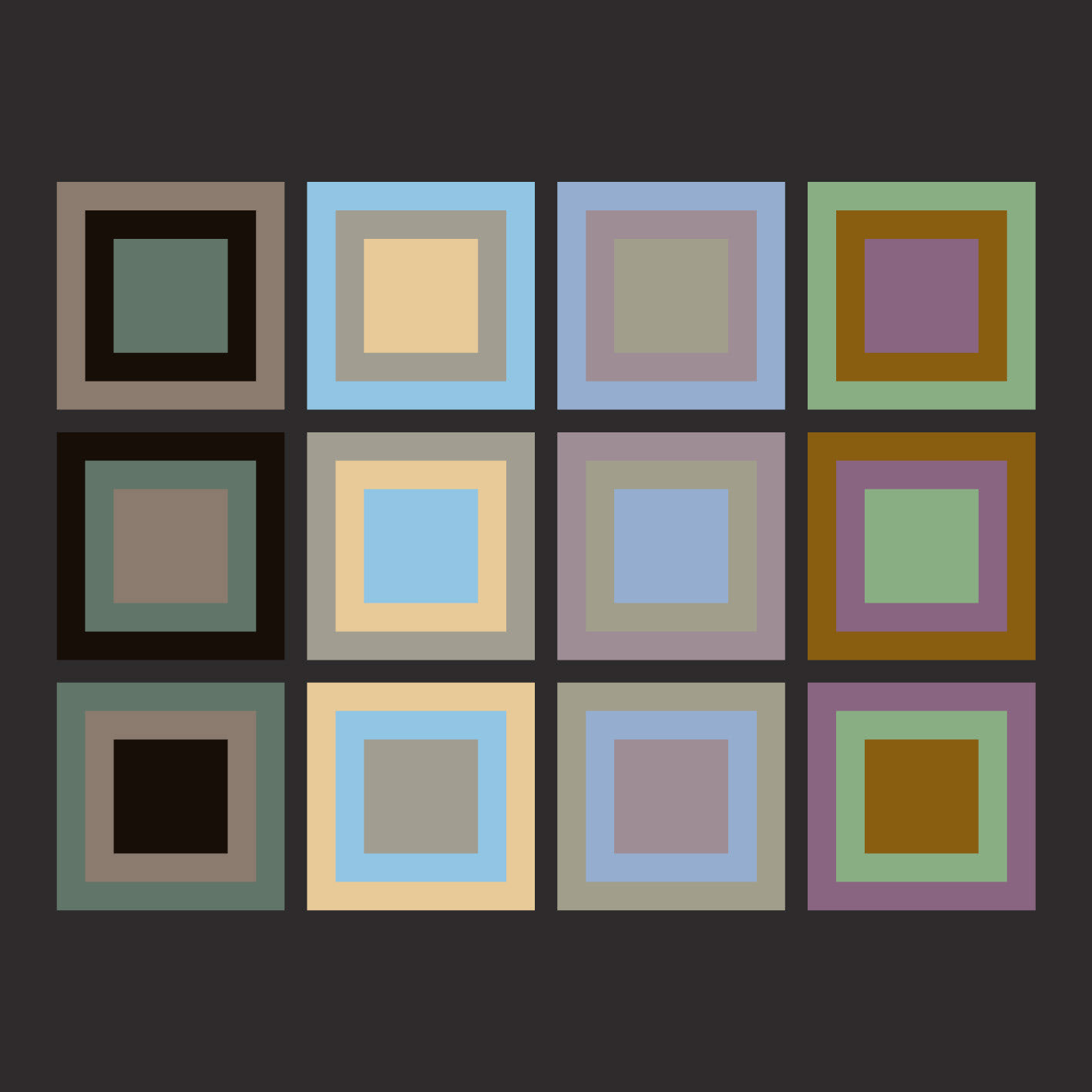
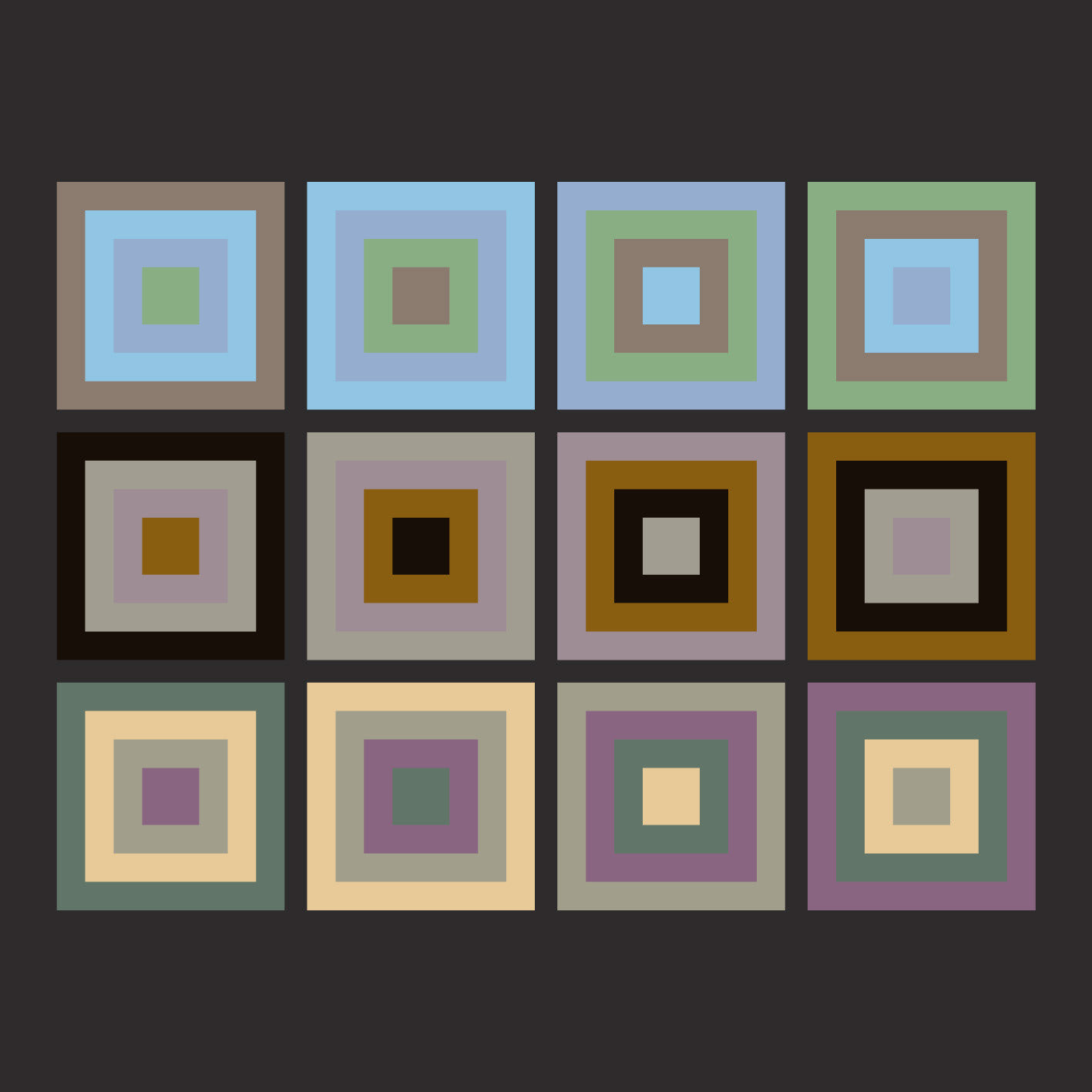
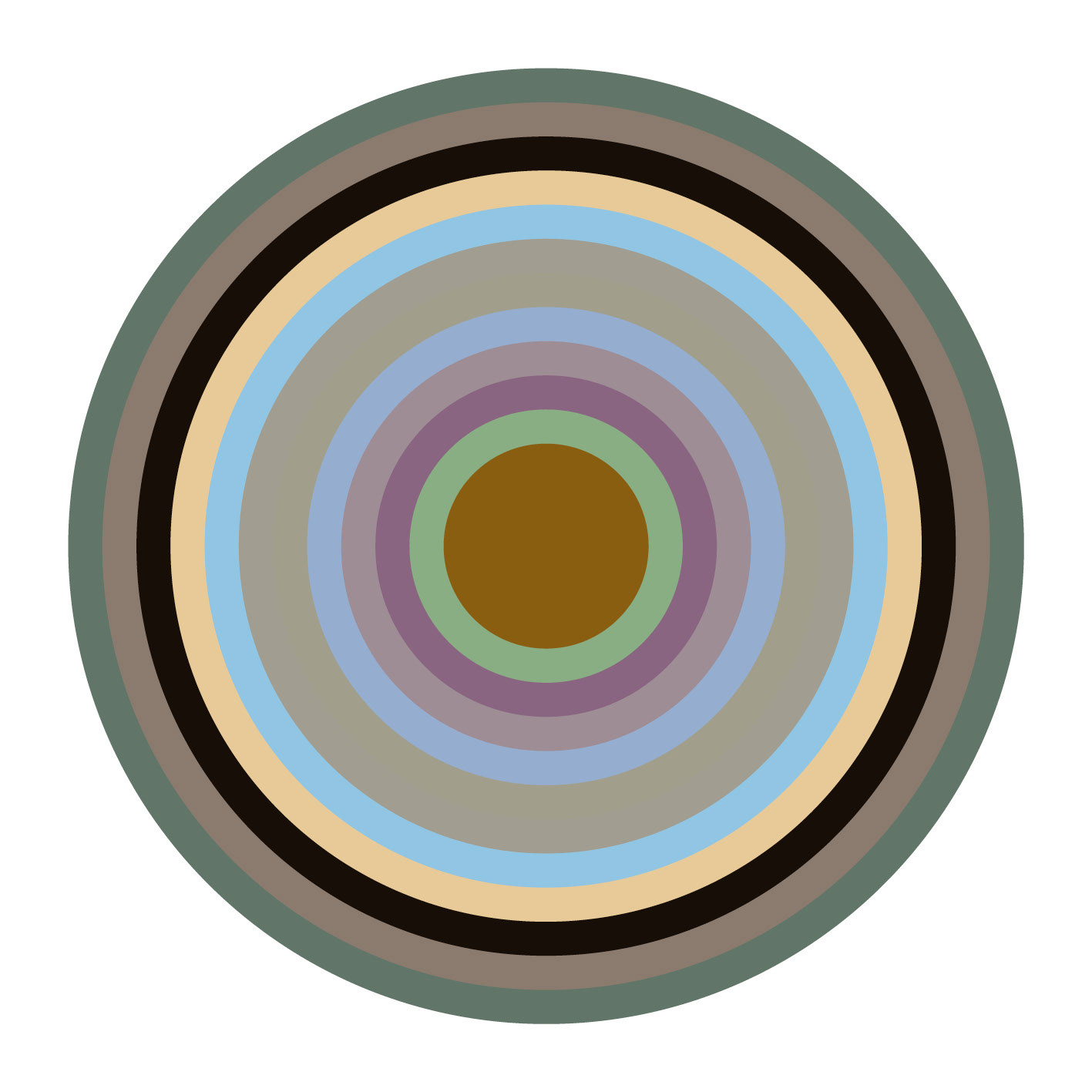
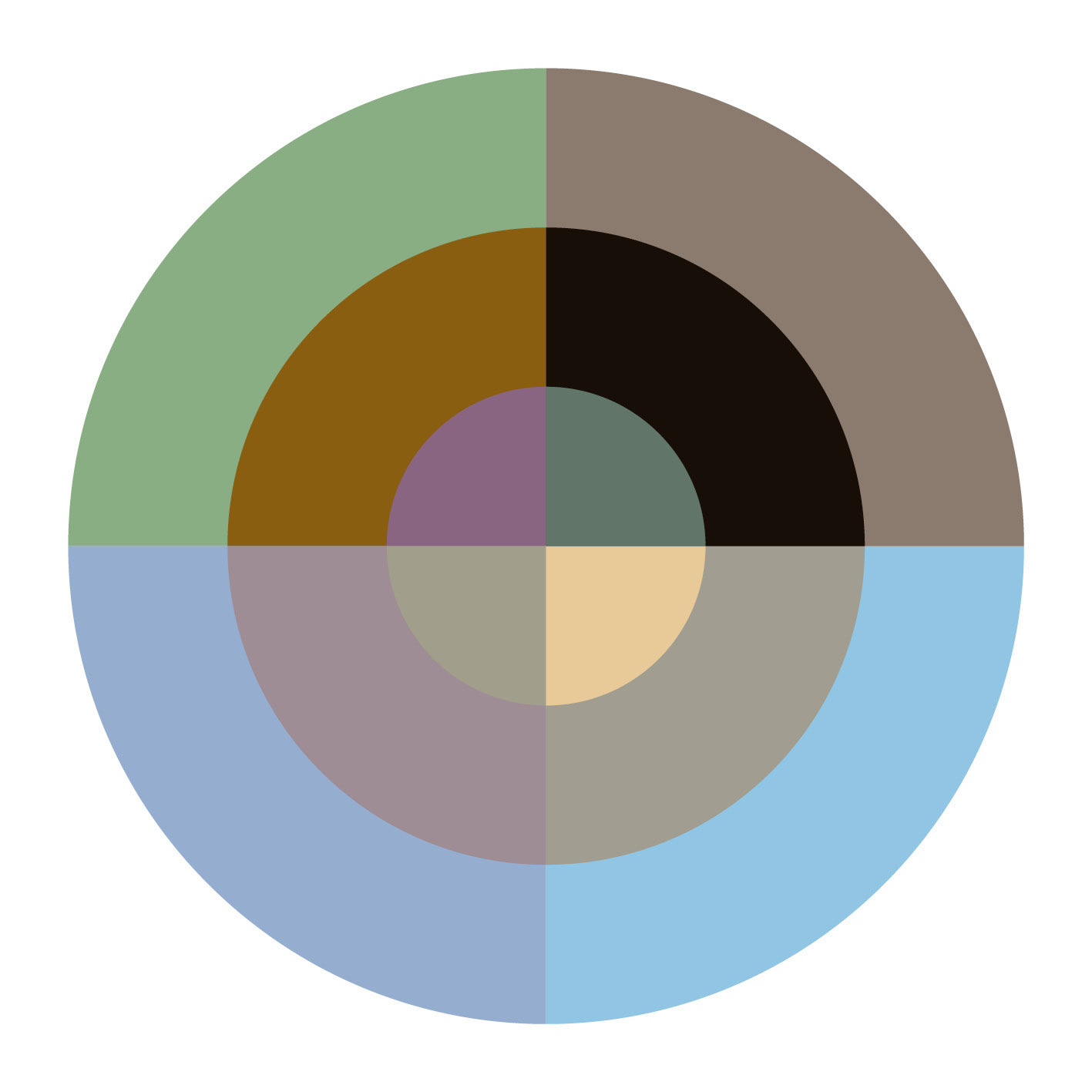
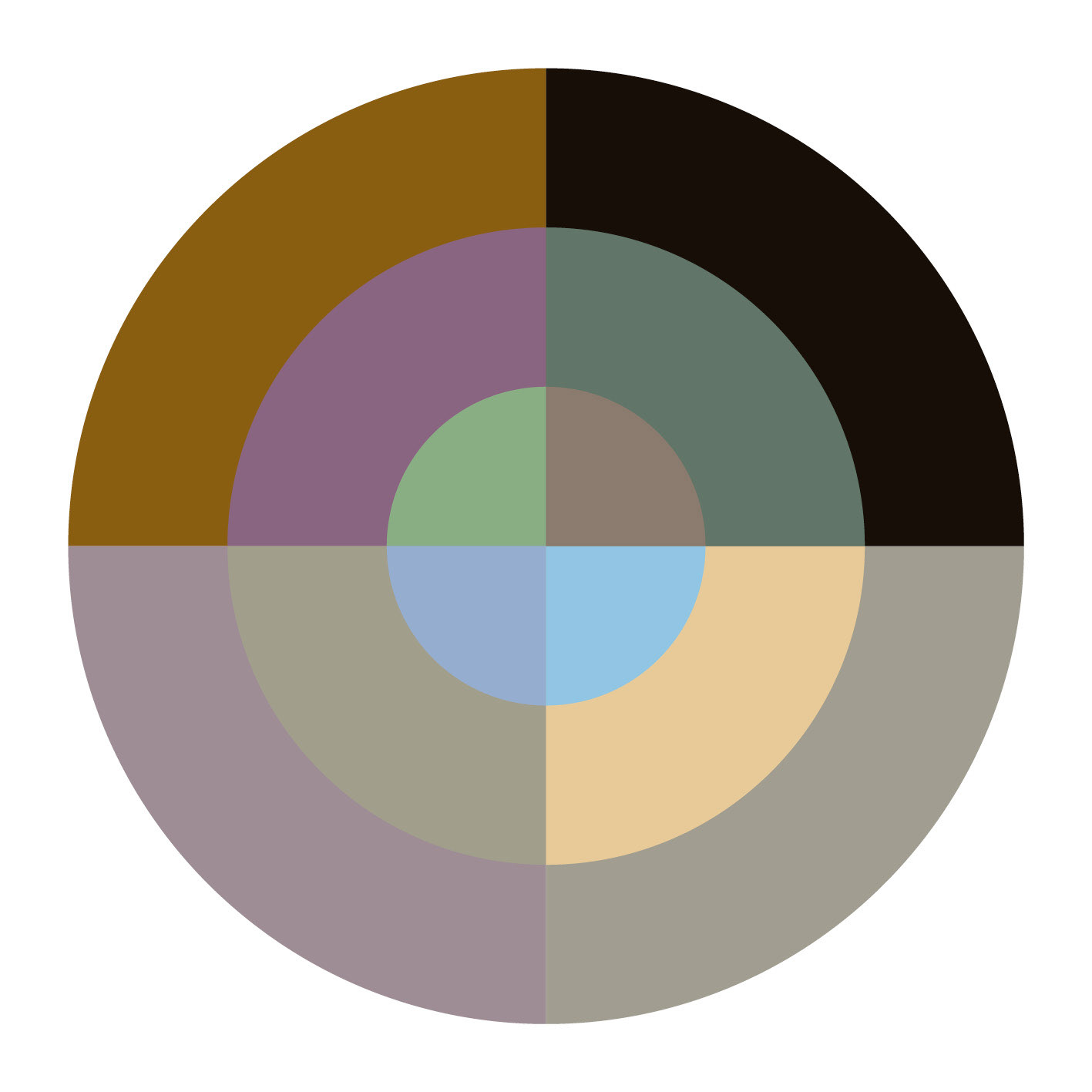
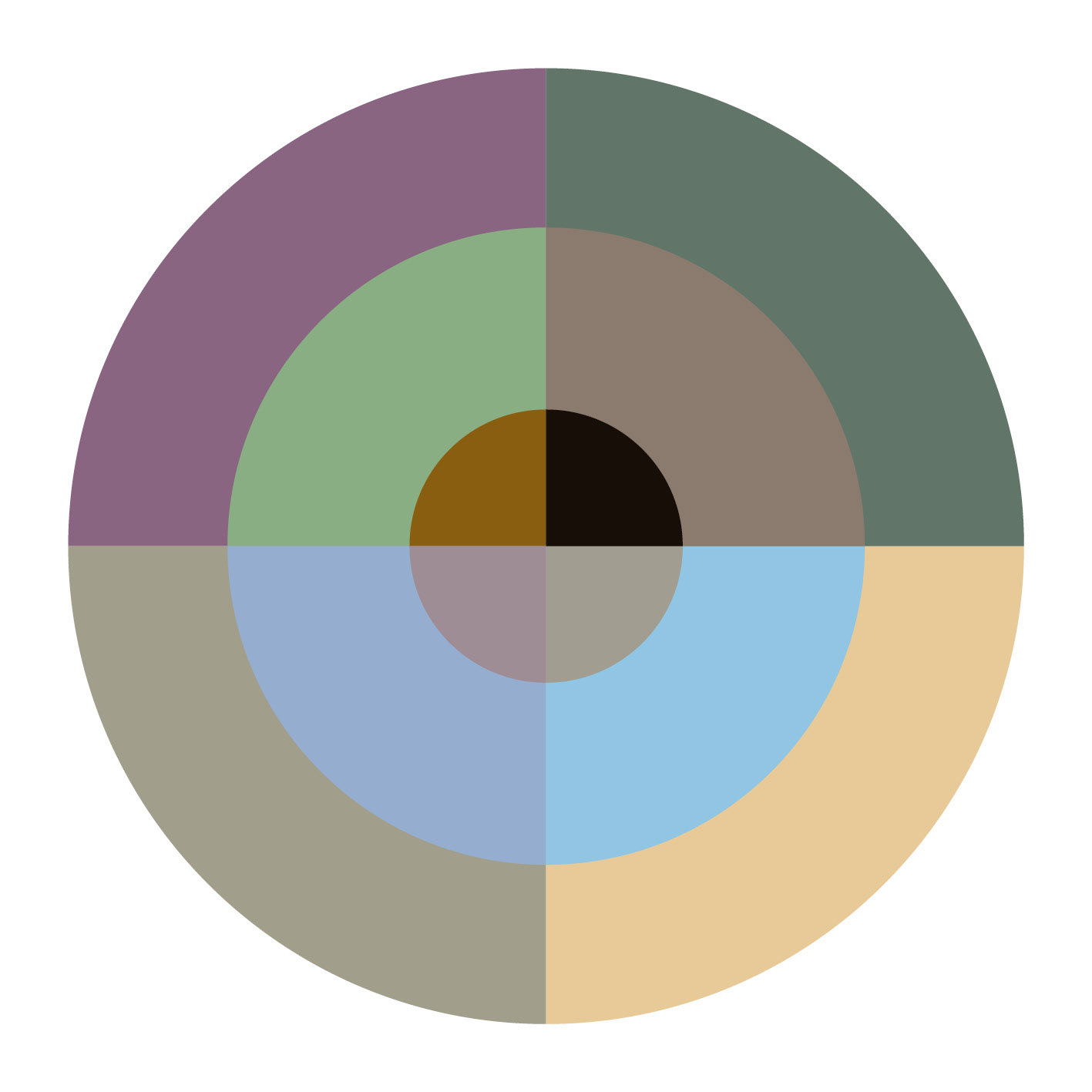
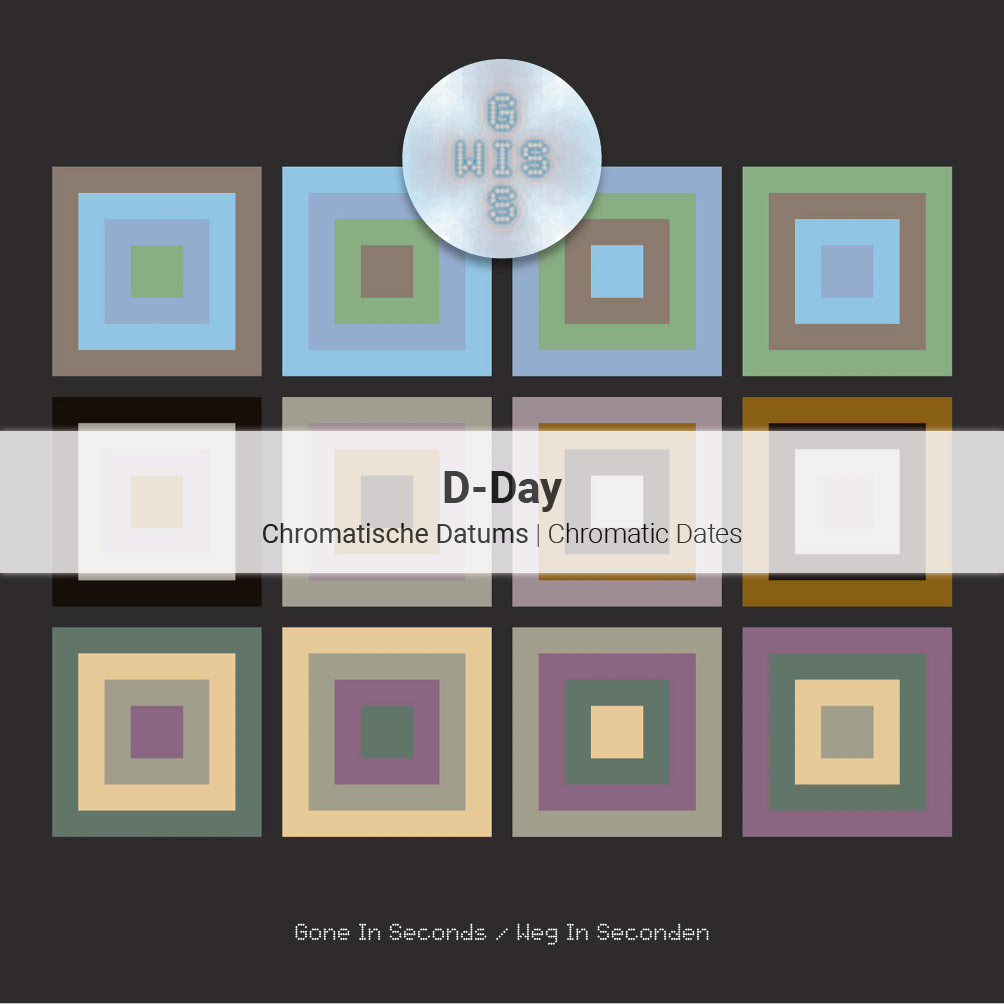
6 juni 1944 wordt vertaald naar twaalf kleurvelden: drie notatiesystemen (EU, ISO, US) × vier dagfasen. Geen selectie, maar een volledige chromatische signatuur. De drie notaties zijn culturele kaders: dezelfde gebeurtenis verschijnt anders naargelang waar zij wordt herinnerd. Notatie wordt geheugen.
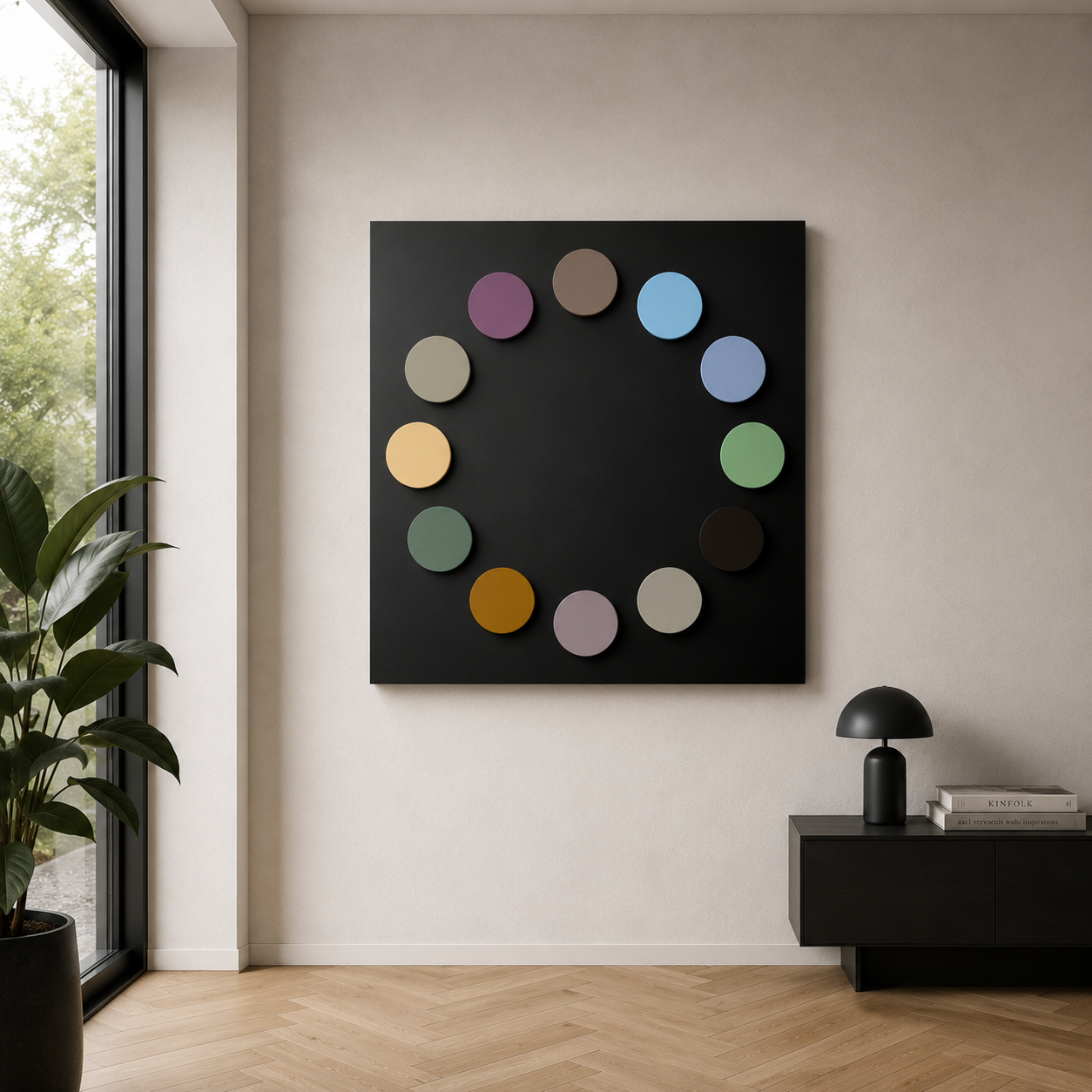
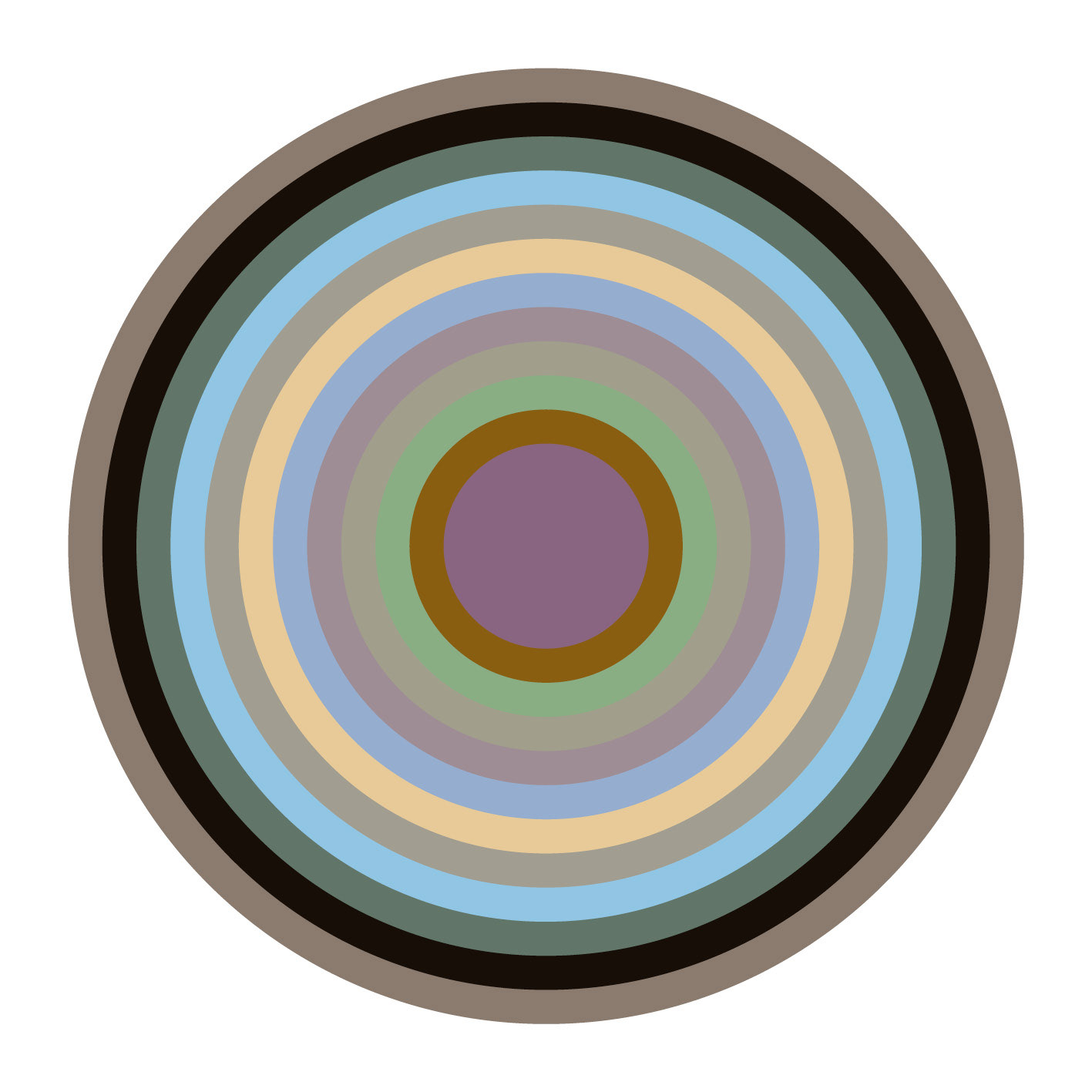
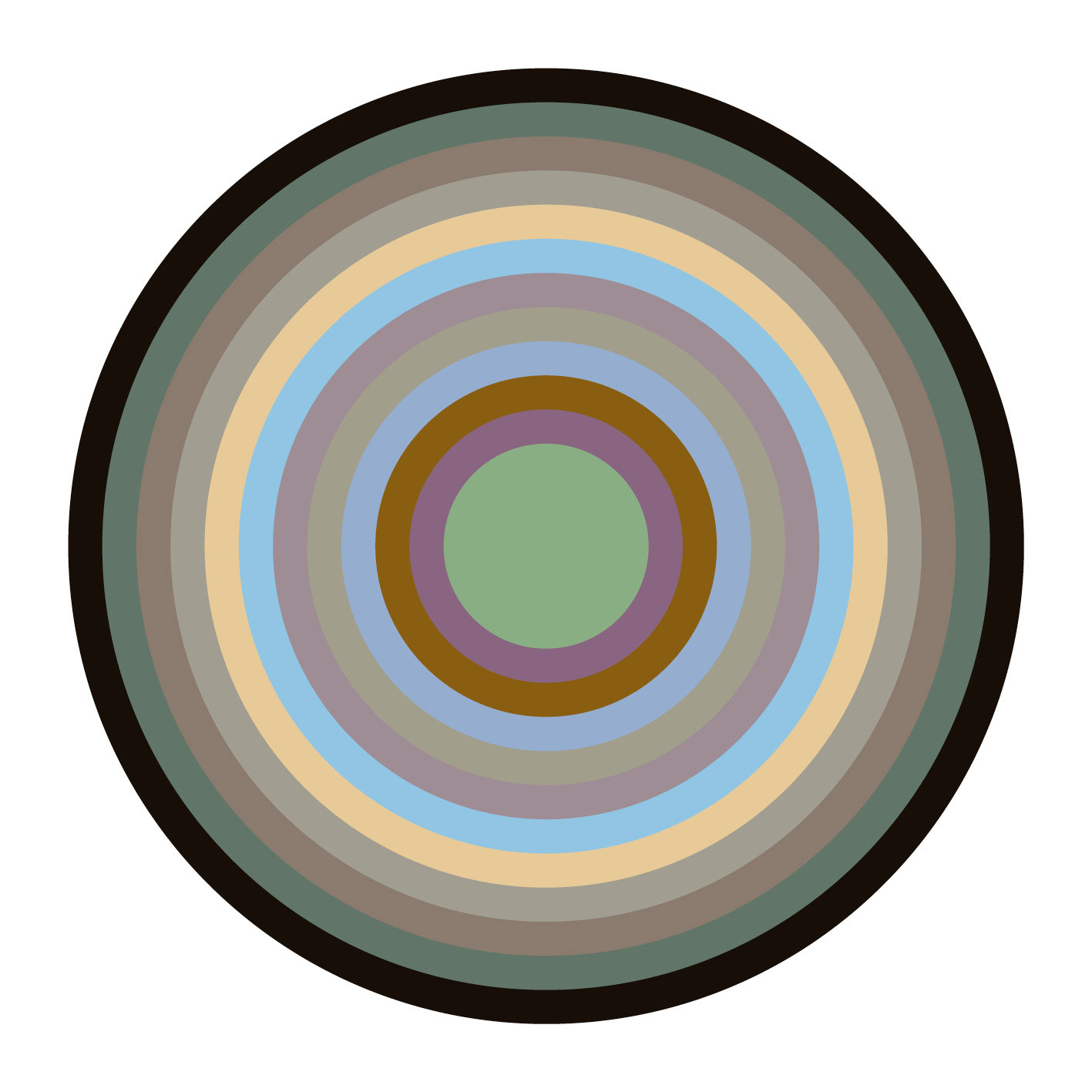
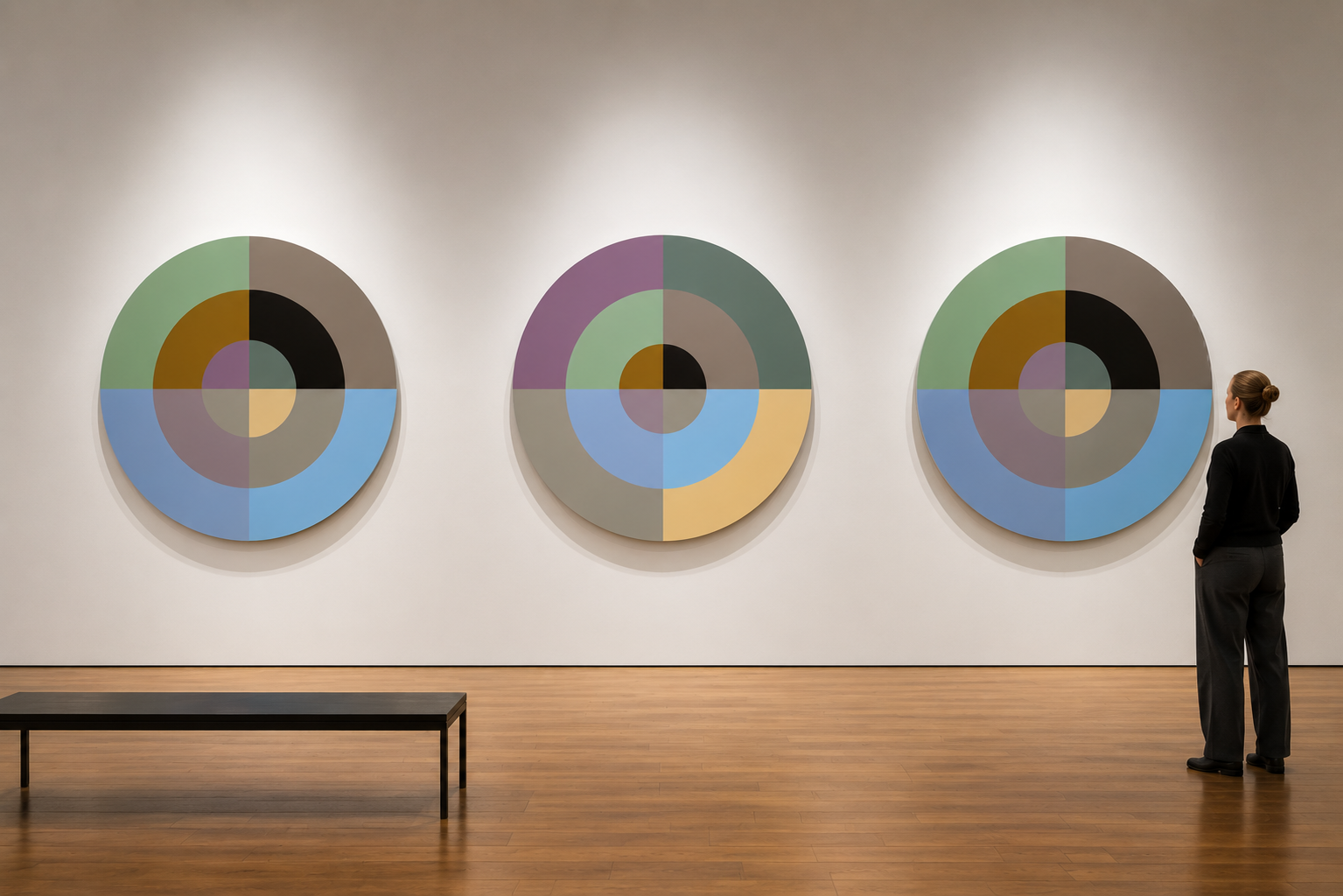
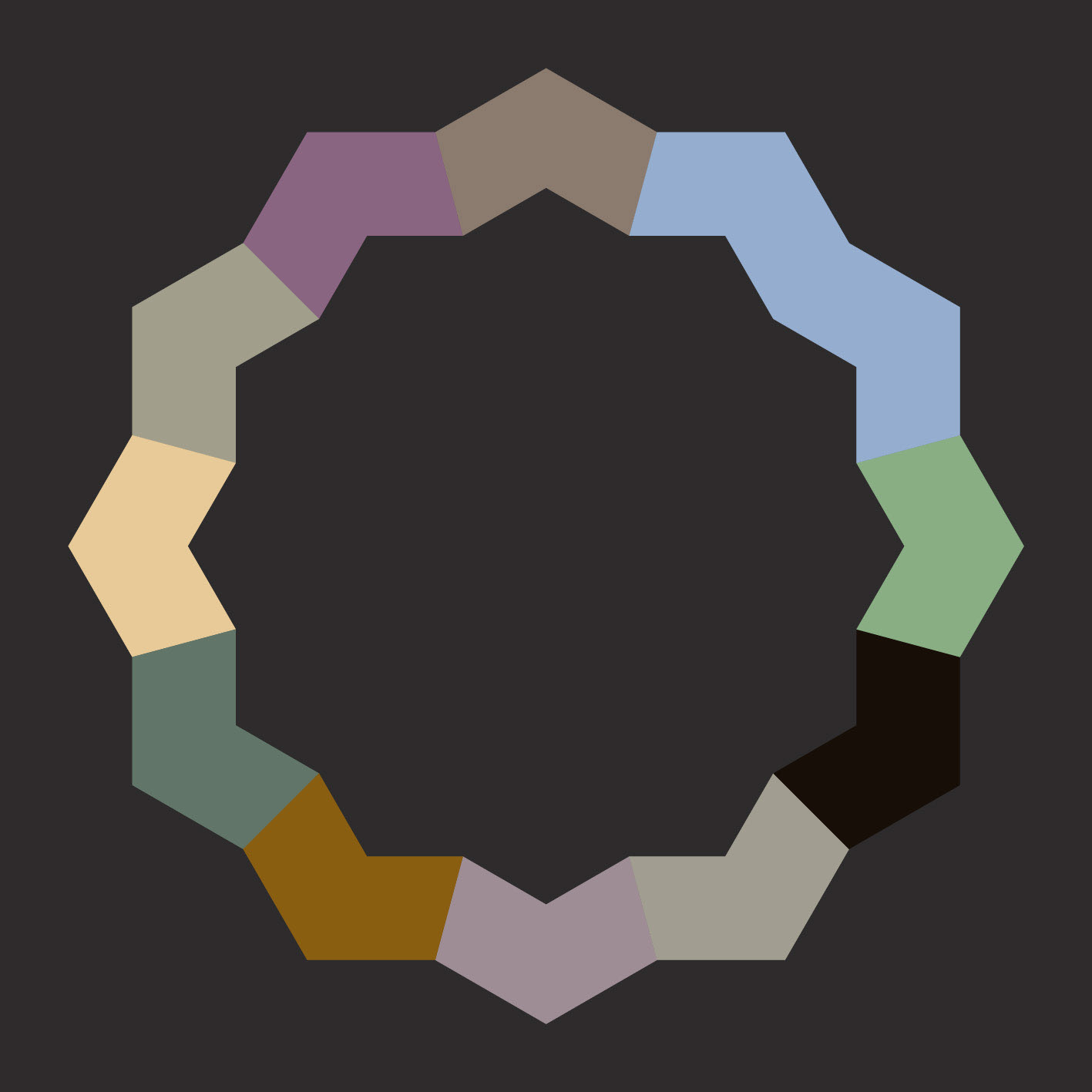
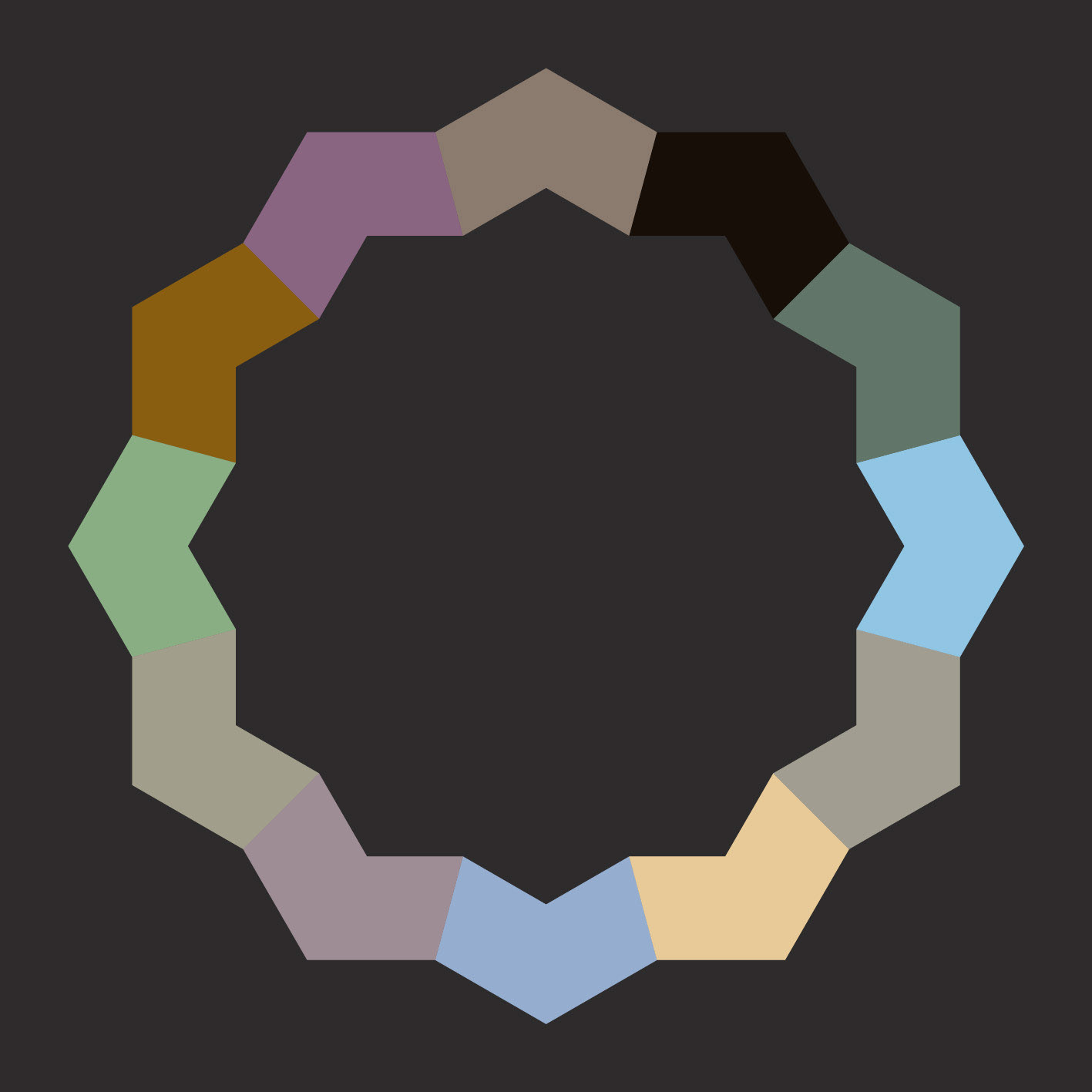
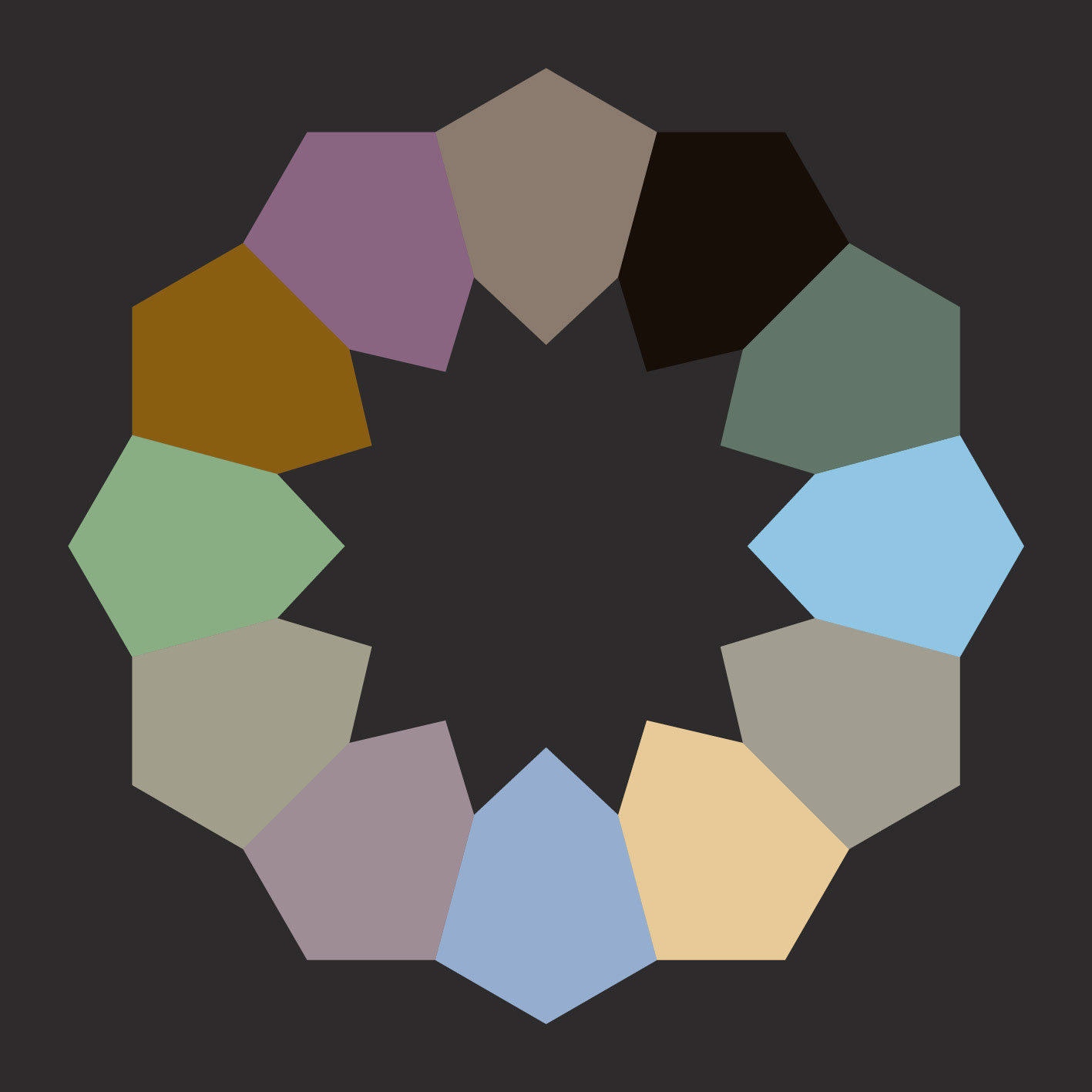
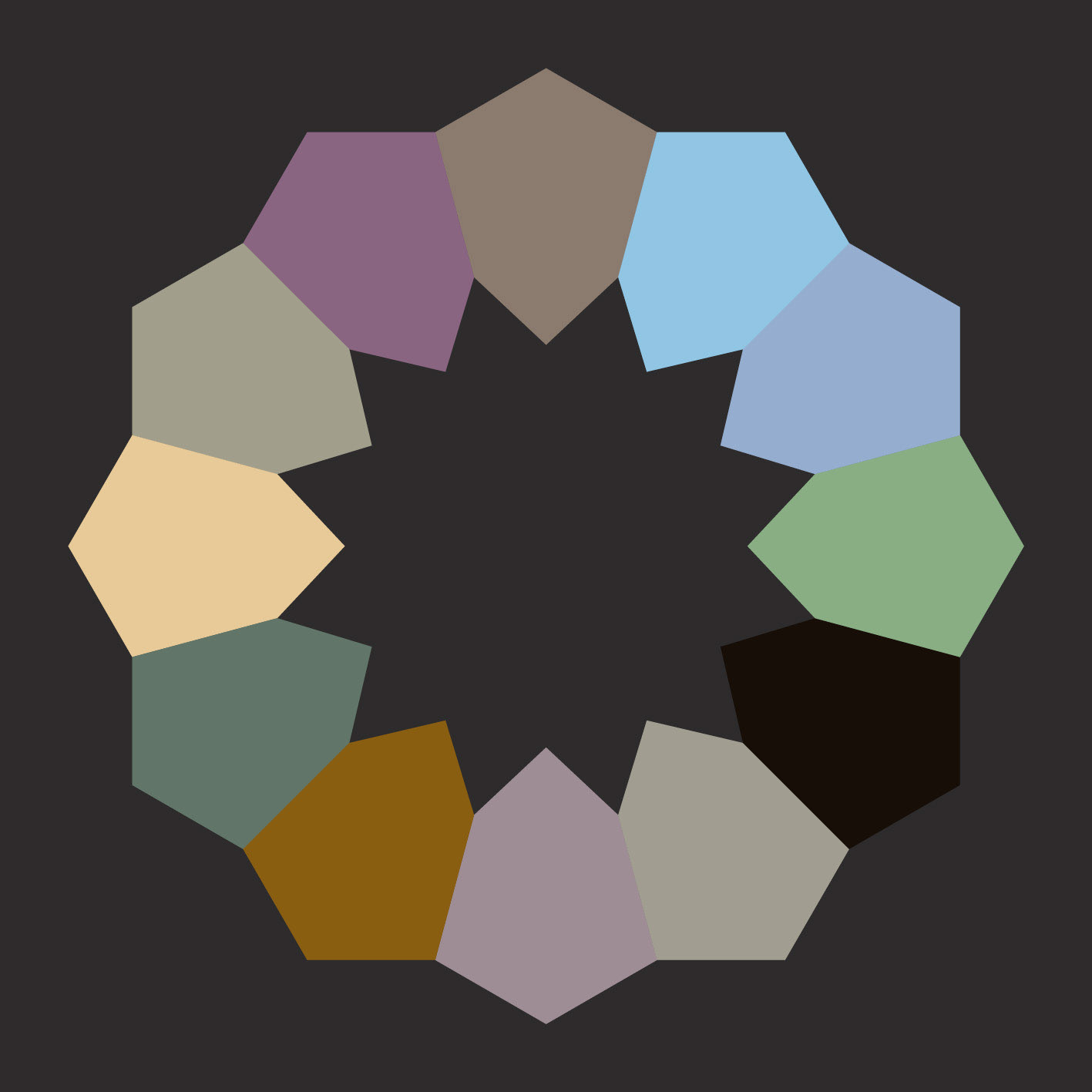
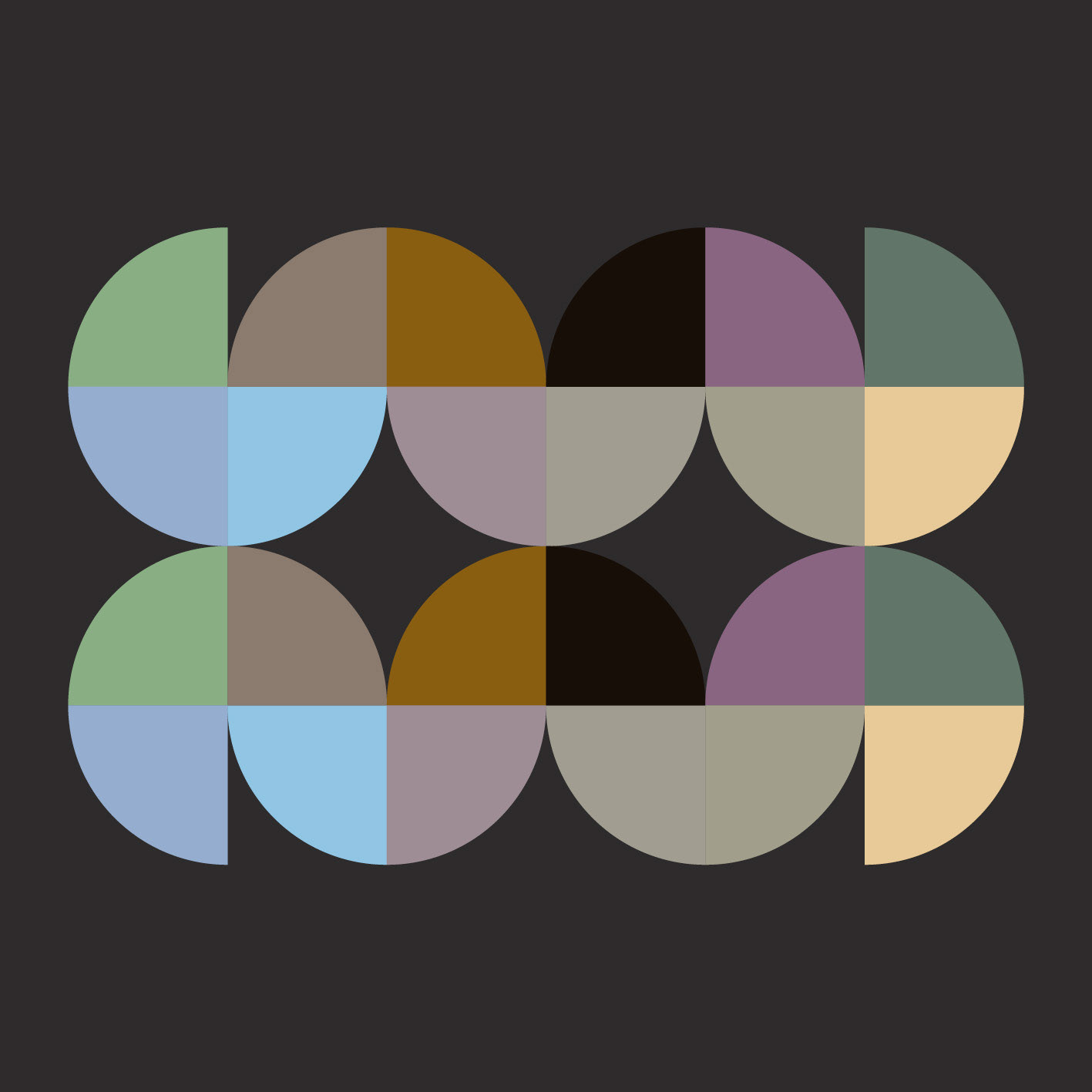
De data worden niet geïnterpreteerd maar weergegeven; geschiedenis wordt gecodeerd in plaats van verteld. Dat zwijgen is opzettelijk — de gebeurtenis wordt niet verteld maar bewaard. De signatuur spreekt in twee talen: het vierkant als grid (Albers), de cirkel als wiel (klok). Geen van beide is de juiste vorm; samen vormen ze een en/en. Het centrum blijft gevuld: het verleden is gesloten, niet leeg.
6 juni 1944 wordt vertaald naar twaalf kleurvelden: drie notatiesystemen (EU, ISO, US) × vier dagfasen. Geen selectie, maar een volledige chromatische signatuur. De drie notaties zijn culturele kaders: dezelfde gebeurtenis verschijnt anders naargelang waar zij wordt herinnerd. Notatie wordt geheugen.
De data worden niet geïnterpreteerd maar weergegeven; geschiedenis wordt gecodeerd in plaats van verteld. Dat zwijgen is opzettelijk — de gebeurtenis wordt niet verteld maar bewaard. De signatuur spreekt in twee talen: het vierkant als grid (Albers), de cirkel als wiel (klok). Geen van beide is de juiste vorm; samen vormen ze een en/en. Het centrum blijft gevuld: het verleden is gesloten, niet leeg.
(EN) D-Day investigates time, memory and historical projection. The work belongs to the series WW1 & WW2 in 2 × 12 moments, in which ruptures of the twentieth century are reordered into a chromatic system. Here a date is not a position in a yearly wheel but a fracture in a shared memory.
6 June 1944 is translated into twelve colour fields: three notation systems (EU, ISO, US) × four phases of the day. Not a selection, but a complete chromatic signature. The three notations are cultural frames: the same event appears differently depending on where it is remembered. Notation becomes memory.
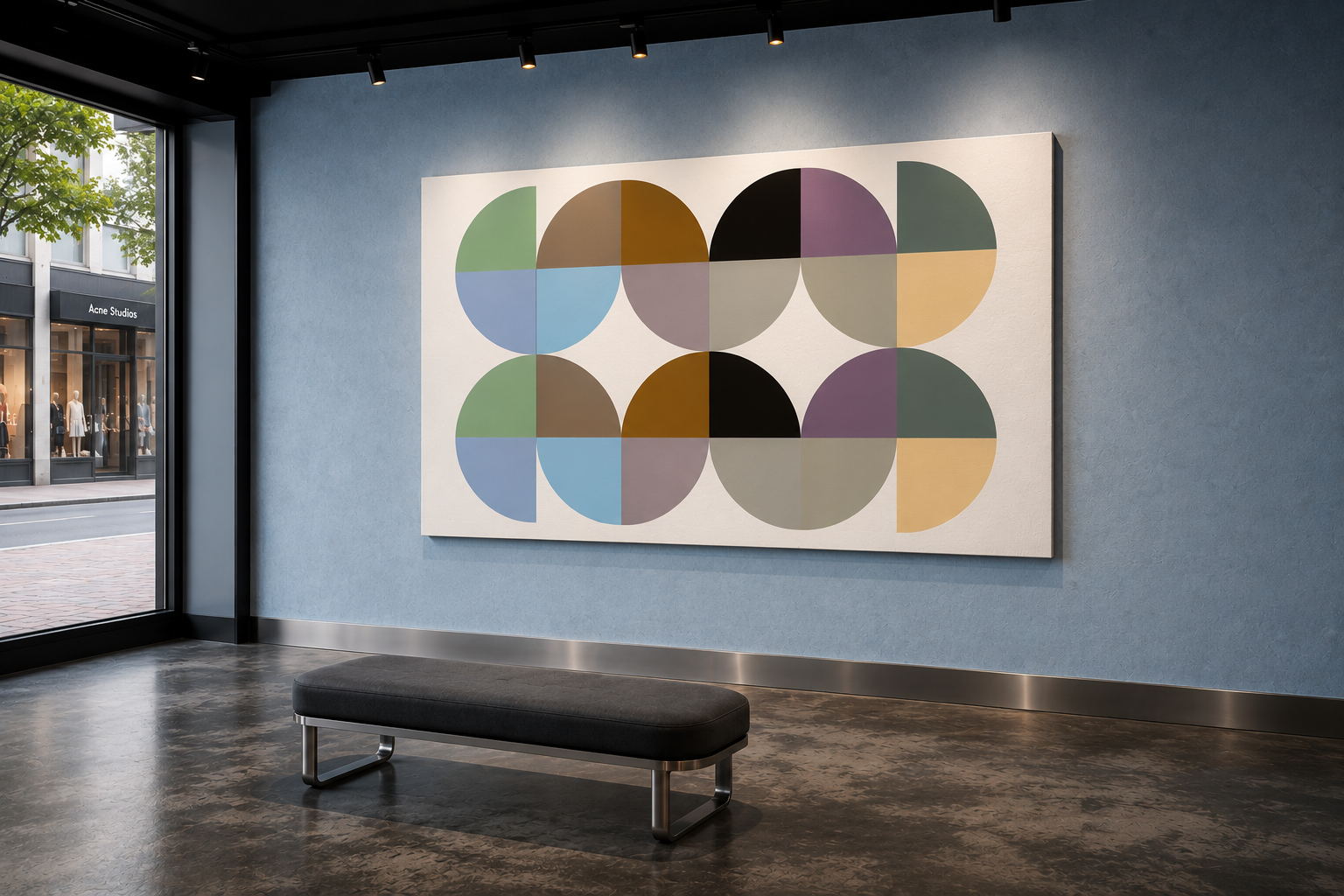
The data are not interpreted but displayed; history is encoded rather than told. That silence is deliberate — the event is not narrated but preserved. The signature speaks in two languages: the square as grid (Albers), the circle as wheel (clock). Neither is the right form; together they are and/and. The centre remains filled: the past is closed, not empty.
6 June 1944 is translated into twelve colour fields: three notation systems (EU, ISO, US) × four phases of the day. Not a selection, but a complete chromatic signature. The three notations are cultural frames: the same event appears differently depending on where it is remembered. Notation becomes memory.
The data are not interpreted but displayed; history is encoded rather than told. That silence is deliberate — the event is not narrated but preserved. The signature speaks in two languages: the square as grid (Albers), the circle as wheel (clock). Neither is the right form; together they are and/and. The centre remains filled: the past is closed, not empty.